

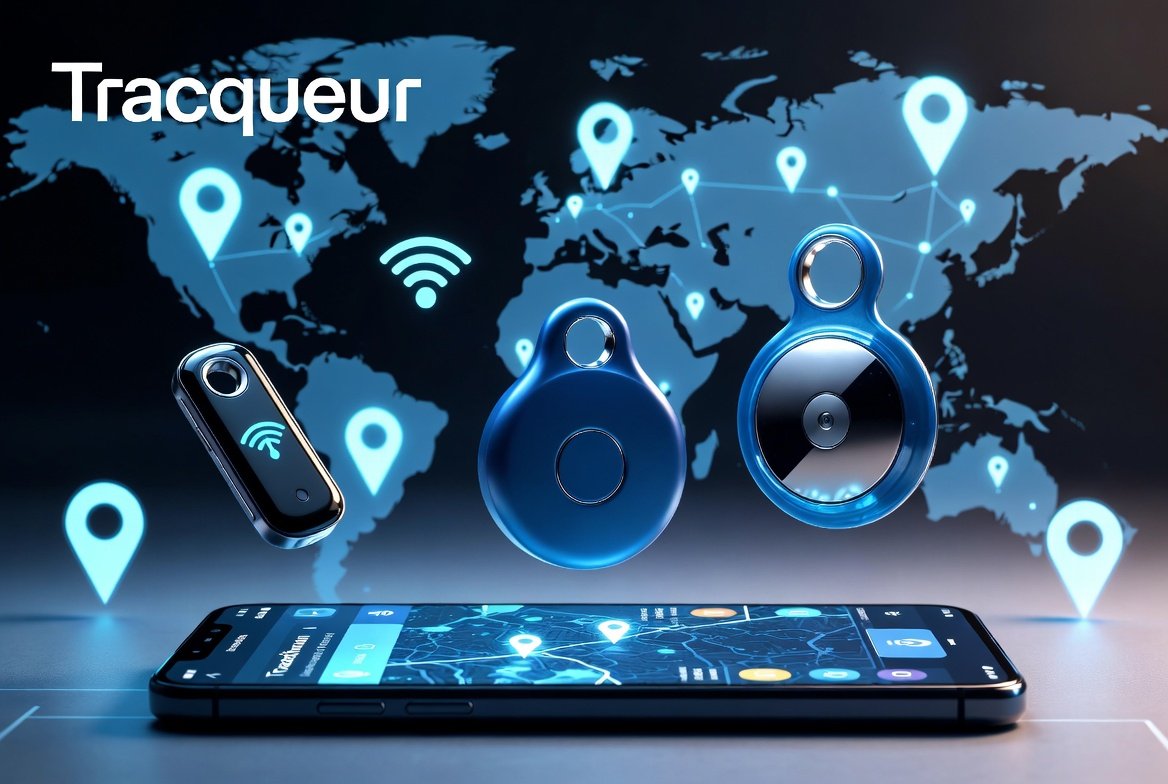
What Is a Tracqueur?
A tracqueur is a tracking device that uses positioning technology to determine and transmit location data. Depending on the model and its intended use, a tracqueur can range from a small coin-sized Bluetooth tag attached to a keyring to a sophisticated GPS unit hardwired into a commercial vehicle.
The core function is always the same: the device captures location information and makes that information accessible to the user, usually through a smartphone application or web-based dashboard. More advanced tracqueur systems go beyond simple location reporting to include movement history, speed monitoring, geofencing alerts, and even real-time audio or video feeds.



Tracqueur devices have become significantly more accessible over the past decade. What was once expensive technology reserved for fleet management companies and law enforcement is now available to ordinary consumers at affordable price points, making personal and family tracking a realistic option for millions of people.
How Does a Tracqueur Work?
Understanding how a tracqueur works requires a brief look at the underlying technologies involved. Most modern tracqueur systems rely on one or more of the following positioning and communication methods.
GPS (Global Positioning System)
GPS is the most widely used technology in tracqueur devices. It works by receiving signals from a network of satellites orbiting the Earth. The device calculates its position by measuring the time it takes for signals to arrive from multiple satellites simultaneously. GPS provides highly accurate outdoor positioning, typically within a few metres, and works anywhere in the world where there is a clear view of the sky.
GSM and Cellular Networks
Once a tracqueur has determined its location via GPS, it needs a way to transmit that data to the user. Most GPS tracqueur devices use GSM, the mobile phone network, to send location updates. This means the device contains a SIM card and requires a mobile data connection to function in real time. The advantage is wide coverage. Wherever there is mobile signal, the tracqueur can communicate.
Bluetooth
Bluetooth tracqueur devices work differently. They do not use GPS and do not require a mobile connection. Instead, they communicate directly with a nearby smartphone via Bluetooth. This makes them ideal for tracking items within a short range, such as keys or wallets inside a home or office. Their limitation is distance: Bluetooth typically works up to around 30 to 100 metres depending on the device and environment.
Wi-Fi Positioning
Some tracqueur systems supplement GPS with Wi-Fi positioning, which uses nearby Wi-Fi networks to estimate location. This is particularly useful indoors where GPS signals are weak or unavailable. By identifying nearby Wi-Fi access points and cross-referencing them with a database of known network locations, the device can provide a reasonably accurate indoor position.
LPWAN Technologies
Low Power Wide Area Networks, including technologies like LoRa and Sigfox, are used in specialist tracqueur applications. These allow devices to transmit small amounts of data over very long distances while consuming minimal battery power. They are commonly used in asset tracking and agricultural or industrial applications where battery life is critical.
Types of Tracqueur Devices
The market for tracqueur devices is broad and varied. Choosing the right type depends entirely on what you need to track and under what circumstances.
Vehicle Tracqueur
Vehicle tracqueur devices are among the most commonly used. They are installed in cars, motorcycles, vans, trucks, or any motorised vehicle and provide continuous GPS tracking. They are used for theft prevention, fleet management, insurance purposes, and parental monitoring of young drivers. Many vehicle tracqueur units are hardwired into the car’s power supply, eliminating the need to recharge batteries.
Personal Tracqueur
Personal tracqueur devices are designed to be carried by a person. They are used by parents to monitor children, by employers to track field workers in remote areas, and by individuals who want a safety device when travelling alone. Many personal tracqueur units include a panic button that triggers an immediate SOS alert to designated contacts, along with the device’s precise location.
Pet Tracqueur
Pet tracqueur devices attach to a collar and allow owners to monitor the location of dogs, cats, and other animals. They are particularly valuable for pets that spend time outdoors unsupervised or have a history of wandering. High-quality pet tracqueur devices combine GPS with activity monitoring, allowing owners to track not just location but also daily exercise levels and sleep patterns.
Asset and Object Tracqueur
These compact devices are designed to be hidden in or attached to valuable items such as luggage, laptops, cameras, or equipment. They provide a way to recover stolen or lost property by revealing its location. Some asset tracqueur units are designed for long-term, low-frequency tracking and can run for months or years on a single battery charge.
Bluetooth Item Finder
Bluetooth item finders are a simplified form of tracqueur designed for everyday small items. They are attached to keyrings, slipped into wallets, or placed in bags and communicate with a smartphone app to indicate proximity. When an item is nearby, the app shows signal strength. When the item is out of range, the app records the last known location where the phone and tag were connected.
Key Features to Look for in a Tracqueur
Not all tracqueur devices are created equal. When evaluating options, these are the features that matter most.
| Feature | Why It Matters |
|---|---|
| Real-time tracking | Allows you to see live location updates rather than delayed snapshots |
| Geofencing | Sends alerts when the tracked item or person enters or leaves a defined area |
| Location history | Stores a log of past locations so you can review movement over time |
| Battery life | Determines how often you need to recharge or replace the device |
| SOS or panic button | Essential for personal safety applications |
| Waterproofing | Important for pet tracqueur devices and outdoor use |
| App quality | Determines how easily you can access and interpret location data |
| Subscription cost | Many GPS tracqueur devices require ongoing monthly fees for data service |
| Device size | Compact devices are easier to conceal and carry |
| Coverage area | GPS and GSM devices work globally; Bluetooth devices are limited to short range |
Practical Uses of a Tracqueur
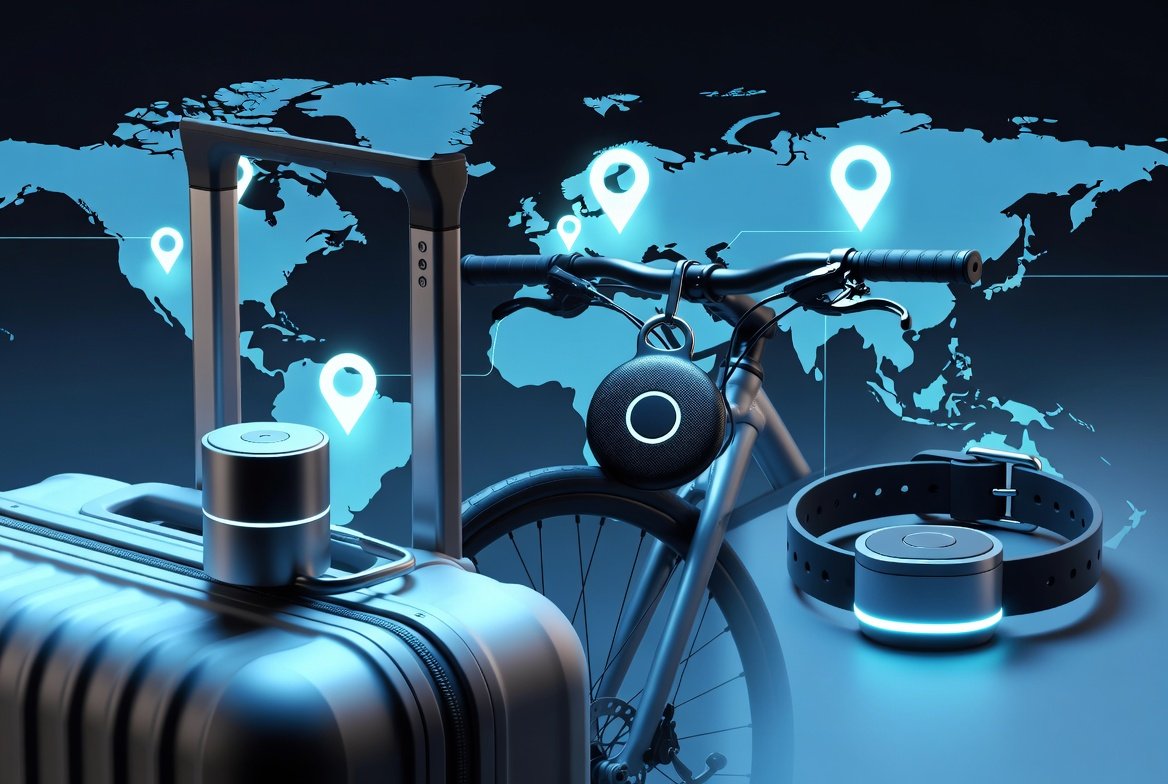
Protecting Against Vehicle Theft
One of the most well-established uses of a tracqueur is vehicle security. A discreetly installed GPS tracqueur allows car owners to monitor their vehicle at all times. In the event of theft, the owner can share real-time location data with police, significantly improving the chances of recovery. Some insurance providers offer reduced premiums for vehicles fitted with approved tracqueur devices.
Child Safety and Monitoring
Parents of young children or teenagers often use a tracqueur for peace of mind. A personal tracqueur carried in a school bag or pocket allows parents to confirm their child arrived safely at school, track their route home, and receive instant alerts if they stray outside an expected area. The geofencing feature is particularly useful here, triggering notifications automatically without requiring constant manual checking.
Elderly Care and Dementia Support
For families caring for elderly relatives, particularly those with dementia or conditions that affect memory and orientation, a tracqueur provides a vital safety net. If a person wanders from home, carers or family members can identify their location immediately and arrange assistance quickly. Many dedicated elderly care tracqueur devices are designed to look like ordinary watches or pendants, preserving the dignity of the wearer.
Travel and Luggage Security
Placing a tracqueur inside checked luggage is an increasingly common practice among frequent travellers. Lost or misdirected baggage is a routine frustration with air travel, and a tracqueur gives passengers the ability to identify the precise location of their bags independently, rather than relying solely on airline tracking systems.
Fleet and Business Asset Management
Businesses that operate vehicles or manage high-value equipment across multiple locations use tracqueur systems as a core operational tool. Real-time fleet tracking enables route optimisation, reduces fuel costs, confirms delivery times, prevents unauthorised vehicle use, and provides accurate data for billing and reporting purposes.
Outdoor and Adventure Safety
Hikers, cyclists, and adventurers travelling through remote terrain often carry a personal tracqueur as an emergency safety measure. In areas where mobile phone signal is absent, specialist tracqueur devices using satellite communication networks allow users to send their location to emergency contacts even in the most isolated environments.
Geofencing: One of the Most Useful Tracqueur Features
Geofencing deserves special attention because it transforms a tracqueur from a passive location tool into an active alert system. A geofence is a virtual boundary drawn around a specific geographic area using the tracqueur’s companion app.
Once a geofence is set, the system automatically triggers a notification whenever the tracked device enters or exits that boundary. For a parent, this might mean receiving an alert when their child arrives at school in the morning and another when they leave in the afternoon. For a vehicle owner, it might mean being notified if a car is moved from a parked location overnight. For a business, it might mean confirming that a delivery vehicle has reached the correct address.
Multiple geofences can usually be set within a single app, covering different locations such as home, school, a relative’s house, or a workplace. The automation removes the need for constant manual monitoring while ensuring you are informed of any unexpected movements.
Privacy and Legal Considerations
The use of a tracqueur raises important questions about privacy and consent. These considerations must be taken seriously before deploying any tracking device.
Tracking your own property, whether a vehicle, luggage, or equipment, is universally legal. Using a tracqueur to monitor children in your care is also widely accepted and legal in most jurisdictions. However, tracking another adult without their explicit knowledge and consent is illegal in many countries and can constitute a serious invasion of privacy or, in some cases, a form of harassment or stalking.
Employers who wish to track company vehicles or devices used by employees must generally inform those employees in writing and ensure that monitoring is limited to work-related use during working hours. The specific legal requirements vary by country and region.
If you are using a tracqueur for family safety purposes with an adult family member, the most straightforward approach is to have an open conversation about it and obtain their agreement. Transparent use of tracking technology is both ethically sound and legally safer than covert monitoring.
How to Set Up a Tracqueur: Step by Step
- Choose the right device for your specific tracking need, whether vehicle, personal, pet, or object
- Charge the device fully before initial setup to ensure uninterrupted first use
- Insert a SIM card if required by the device, using a compatible data plan from a mobile network provider
- Download the official companion app on your smartphone and create an account
- Register your device within the app using the serial number or activation code provided
- Test the connection by checking that the app displays the device’s current location accurately
- Configure alerts and geofences according to your specific monitoring needs
- Place or install the device securely in the intended location, ensuring it has adequate signal reception
- Monitor battery levels regularly and establish a charging routine to avoid interruptions
Common Problems With Tracqueur Devices and How to Fix Them
Poor GPS Accuracy
If your tracqueur is showing an inaccurate location, it may be positioned somewhere with poor satellite visibility such as inside a metal container, underground, or in a dense urban environment surrounded by tall buildings. Moving the device to a more open position typically resolves this. Some devices also take a few minutes after switching on to achieve a full GPS lock.
Short Battery Life
Frequent real-time updates consume battery power rapidly. Most tracqueur apps allow you to adjust the update interval, choosing between live tracking every few seconds and less frequent updates every few minutes. Reducing update frequency significantly extends battery life without meaningfully compromising usefulness for most applications.
No Signal in Remote Areas
GSM-dependent tracqueur devices require mobile network coverage to transmit data. In remote areas without mobile signal, the device will continue logging location data internally and upload it once connectivity is restored. For tracking in genuinely remote locations, a satellite-based tracqueur is the appropriate solution.
App Connectivity Issues
If the app is not showing current data, check that the device has sufficient battery, that the SIM card is active and has data credit, and that your smartphone has an internet connection. Restarting both the app and the tracqueur device resolves most connectivity issues.
The Future of Tracqueur Technology
Tracqueur technology continues to evolve at a rapid pace. Several developments are likely to shape the next generation of devices and applications.
Artificial intelligence integration is already beginning to appear in more sophisticated tracqueur platforms. Rather than simply reporting location, AI-enhanced systems can identify unusual patterns, predict potential issues, and generate proactive alerts. A vehicle tracqueur with AI capability might flag unusual driving behaviour or detect when a vehicle deviates from its expected route without explanation.
Battery technology improvements are making longer-lasting devices a realistic prospect. Ultra-low-power chips combined with energy harvesting technologies may eventually produce tracqueur devices capable of operating for years without any user intervention.
The expansion of dedicated IoT (Internet of Things) networks specifically designed for low-data, long-range device communication is also transforming what is possible. As these networks grow in coverage and reliability, tracqueur devices will become both smaller and more capable.
Privacy-focused design is another growing trend. As public awareness of data protection increases, tracqueur manufacturers are investing in stronger encryption, more transparent data policies, and greater user control over what information is stored and for how long.
Frequently Asked Questions About Tracqueur Devices
What is the difference between a tracqueur and a GPS tracker?
They are essentially the same thing. Tracqueur is the French-origin term for a tracking device. GPS tracker is the more commonly used English term. Both refer to devices that monitor and report location.
Does a tracqueur work indoors?
GPS-based tracqueur devices can struggle indoors due to weak satellite signals. Devices that supplement GPS with Wi-Fi positioning perform better in indoor environments. Bluetooth tracqueur devices work well indoors within their limited range.
Can a tracqueur be detected?
Some vehicle tracqueur devices can be detected using radio frequency scanners. However, well-installed units in discreet locations are difficult to locate without a thorough search. Most personal and pet tracqueur devices are small enough to be effectively concealed.
How much does a tracqueur cost?
Entry-level Bluetooth item finders are available for under twenty pounds. Mid-range GPS tracqueur devices for vehicles or personal use typically cost between thirty and one hundred pounds. Premium professional units can cost several hundred pounds. Most GPS devices also carry a monthly subscription fee for data services, typically ranging from three to fifteen pounds per month.
Is there a tracqueur that works without a monthly fee?
Bluetooth tracqueur devices do not require monthly fees. Some GPS units allow one-time SIM purchases with pay-as-you-go data rather than a subscription. However, truly unlimited real-time GPS tracking with no ongoing costs is difficult to achieve.
Final Thoughts
A tracqueur is no longer a specialist tool. It is a practical, accessible technology that addresses real concerns faced by ordinary people every day. Whether your priority is protecting a vehicle, keeping a family member safe, recovering lost luggage, or managing a business fleet, there is a tracqueur solution designed to meet that specific need.
The key to getting the most from a tracqueur is matching the technology to the task. A Bluetooth tag is perfect for your keyring but useless for tracking a car across the country. A professional GPS fleet unit is powerful but unnecessary for monitoring a family pet. Understanding the options clearly, as this guide has aimed to do, puts you in the best position to make the right choice and use it effectively.
Used responsibly and with appropriate transparency, a tracqueur is one of the most genuinely useful pieces of technology available to consumers today.
FAQs
What does tracqueur mean?
Tracqueur is a French-derived word meaning tracker or tracking device. It refers to any device used to monitor and report the location of a person, animal, vehicle, or object.
Which tracqueur is best for a car?
A hardwired GPS tracqueur with GSM connectivity, geofencing, and tamper alerts is generally the best choice for vehicle tracking. Look for units with a reliable companion app and minimal monthly data costs.
Can I track someone with a tracqueur without them knowing?
Tracking another adult without their knowledge is illegal in most countries and constitutes a serious privacy violation. Always ensure you have proper consent before deploying a tracqueur to monitor another person.
How accurate is a GPS tracqueur?
Most consumer GPS tracqueur devices are accurate to within three to five metres under clear sky conditions. Accuracy reduces in urban environments, indoors, or in areas with heavy tree cover.
Do tracqueur devices work internationally?
GPS tracqueur devices work globally as GPS is a satellite-based system with worldwide coverage. However, the GSM data connection used to transmit location may incur international roaming charges depending on the SIM plan in use.