

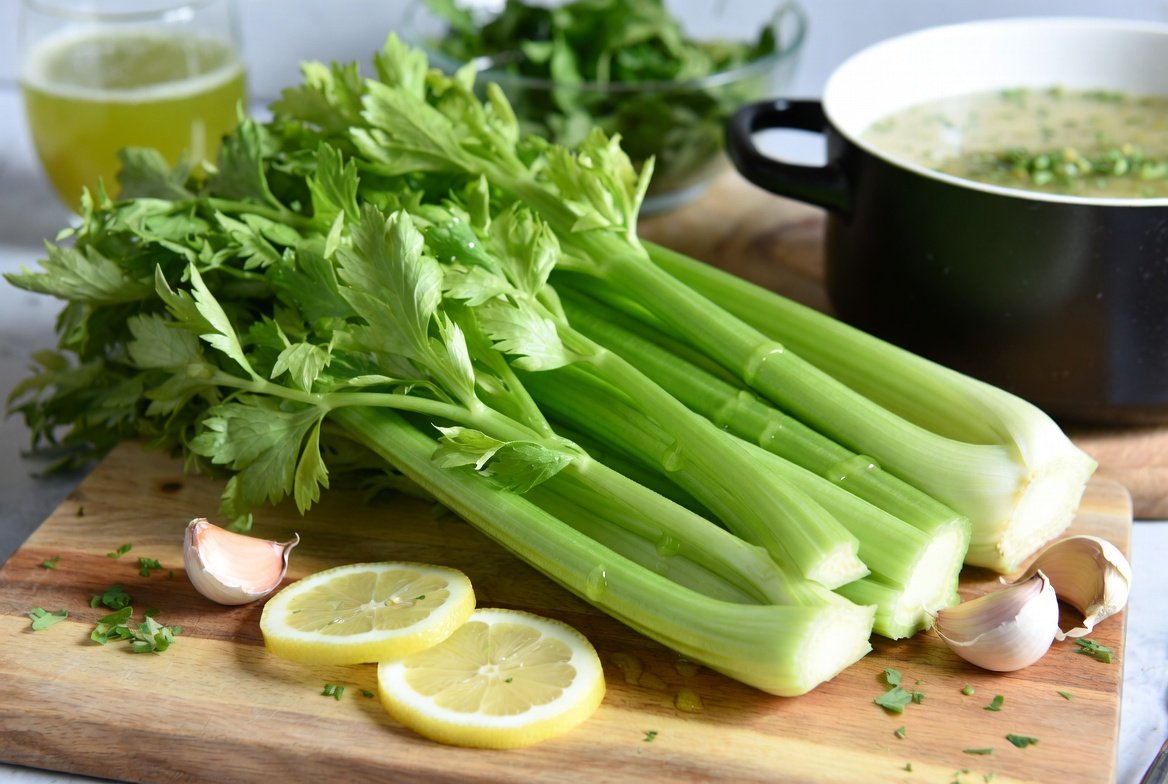
In South Slavic languages, the phrase pravi celer translates directly and simply as real celery or true celery. It is not the name of a new superfood, a brand, or a recently discovered plant variety. It is the way people in Serbia, Croatia, Bosnia, and neighbouring countries refer to celery in its authentic, whole, unprocessed form, as it grows naturally in the ground and as generations of households have used it in cooking and traditional medicine for centuries.
What Does Pravi Celer Mean?
The word pravi in South Slavic languages means real, true, or authentic. Celer means celery, scientifically known as Apium graveolens. Together, pravi celer conveys the idea of celery in its genuine, complete form: stalks, leaves, root, and seeds all included, grown without heavy chemical intervention, and used as a whole plant rather than as a trimmed and packaged commodity.



The emphasis on pravi, or realness, is significant. In many Western supermarkets, what is sold as celery consists almost exclusively of the pale inner stalks, stripped of their leaves and cut from the root. The outer stalks with their stronger flavour are often discarded. The root, which is known separately as celeriac in English, is sold as an entirely different vegetable. The leaves are treated as waste. Pravi celer pushes back against this fragmentation, insisting on the whole plant as the appropriate unit of use.
In Balkan markets, when someone asks for pravi celer, they are often specifically requesting celeriac, the knobby, earthy root variety, as the root form is considered the most nutritionally and culinarily complete expression of the plant. However, the spirit of the term applies to any celery used wholly and freshly rather than processed or partially discarded.
A Brief History of Celery
Celery has one of the longest and most culturally rich histories of any cultivated vegetable. The plant originated in the Mediterranean region and was known to ancient Greek and Roman civilisations not primarily as a food but as a medicinal and ceremonial plant. Ancient Greeks wove celery leaves into crowns awarded to victorious athletes and placed them at burial sites as offerings.
Cultivation for culinary purposes became widespread from around the 17th century in Europe, with Italian and Dutch growers developing sweeter, less bitter varieties that were suitable for eating rather than purely medicinal use. The plant spread east through trade routes and found a particularly enthusiastic home in the Balkan region, where the root variety became a staple of traditional cooking in a way that it never quite did in Britain or North America.
China is now the world’s largest producer of celery, accounting for more than 20 million tonnes annually. The United States produces approximately one million tonnes per year, mostly in California. But the cultural relationship between Balkan households and celery, expressed through the concept of pravi celer, reflects a depth of use and appreciation that production statistics cannot fully capture.
Pravi Celer vs Commercial Celery: What Is the Difference?
The distinction between pravi celer and the celery typically found in mainstream supermarkets is not botanical. They are the same species. The difference is in how the plant is grown, what parts of it are used, and the values associated with that use.
Commercial celery is typically cultivated for maximum stalk length, pale colouring, and a mild flavour that appeals to the broadest possible market. This often involves blanching techniques that deprive the stalks of sunlight during growth, reducing bitterness but also reducing some nutrient content. The plant is harvested, stripped of its outer leaves and root, and packaged to emphasise the crisp inner stalks.
Pravi celer, by contrast, is the whole plant. The outer stalks are darker, more fibrous, and more intensely flavoured. The leaves are aromatic and used as a seasoning herb. The root provides a dense, earthy, nutty flavour that deepens soups and stews in a way the stalks alone cannot. The seeds are used as a spice. Grown through traditional methods with attention to soil quality and minimal chemical input, the plant tends to carry a stronger aroma and a richer concentration of its characteristic compounds.
Nutritional Profile of Pravi Celer
Celery in its complete form is nutritionally impressive despite its reputation as a low-calorie, high-water snack. A 100 gram serving contains approximately 14 to 16 calories and roughly 95 percent water, making it an exceptionally hydrating food. Within that remaining 5 percent, however, lies a meaningful collection of vitamins, minerals, and bioactive compounds.
| Nutrient | Amount per 100g | Health Benefit |
|---|---|---|
| Vitamin K | 29 micrograms (approx. 25% RDI) | Blood clotting, bone metabolism, arterial health |
| Vitamin C | 3.1 mg | Immune function, antioxidant protection |
| Potassium | 260 mg | Blood pressure regulation, heart function |
| Folate | 36 micrograms | Cell repair, essential during pregnancy |
| Dietary Fibre | 1.6 g | Digestion, gut microbiome support, satiety |
| Calcium | 40 mg | Bone and dental strength |
| Phthalides | Present (active compounds) | Blood vessel relaxation, blood pressure reduction |
| Flavonoids (apigenin, luteolin) | Present (active compounds) | Anti-inflammatory, cellular protection |
Health Benefits of Pravi Celer
Cardiovascular Support
Celery contains a group of compounds called phthalides that have been shown to relax the smooth muscle tissue surrounding arterial walls, allowing blood vessels to dilate and blood pressure to reduce. Regular consumption of celery, particularly in whole form as pravi celer, has been associated with improved circulation and reduced cardiovascular risk markers. The potassium content adds a complementary benefit by helping the body regulate fluid balance and reduce the strain on the heart.
Anti-Inflammatory Properties
The flavonoids found in celery, particularly apigenin and luteolin, have well-documented anti-inflammatory activity. Chronic low-grade inflammation underpins a wide range of modern health conditions including arthritis, inflammatory bowel disease, metabolic syndrome, and cardiovascular disease. Including celery as a regular part of the diet provides a natural, food-based source of compounds that suppress inflammatory pathways without the side effects associated with pharmaceutical interventions.
Digestive Health
With its combination of insoluble and soluble fibre, pravi celer supports healthy digestion in multiple ways. The fibre adds bulk to stool and promotes regular bowel movements, while also feeding the beneficial bacteria in the gut microbiome. A healthy gut microbiome has wide-ranging effects on immunity, mood, metabolic function, and even cognitive health, making celery’s fibre contribution more significant than its modest quantity might suggest.
Kidney and Liver Support
Celery has mild diuretic properties, meaning it encourages the kidneys to increase urine production and excrete excess sodium and fluids. This makes it a useful dietary ally for people managing fluid retention or seeking to support kidney function. In traditional Balkan medicine, celery root is frequently included in spring dietary regimens designed to support the body’s natural detoxification processes, particularly liver function.
Blood Sugar Regulation
The fibre and flavonoids in celery slow the rate at which glucose is absorbed from the digestive tract, helping to moderate blood sugar spikes following meals. Research has also suggested that celery seed extract may improve insulin sensitivity, which could make pravi celer a particularly valuable food for people managing prediabetes or type 2 diabetes as part of a broader dietary strategy.
Bone Health
Celery is one of the better plant-based sources of vitamin K, a fat-soluble vitamin that plays an essential role in bone metabolism. Adequate vitamin K intake is associated with improved bone mineral density and reduced fracture risk. For those seeking to maintain bone health through diet rather than supplementation, incorporating pravi celer regularly is a simple and practical approach.
Nervous System and Sleep Support
The magnesium and phthalide compounds in celery have a mild calming effect on the nervous system. Traditional herbalists in the Balkan region have long used celery preparations to support sleep and reduce anxiety, a use that aligns with what modern nutritional science now understands about the relationship between these compounds and the nervous system.
Pravi Celer in Balkan and European Cuisine
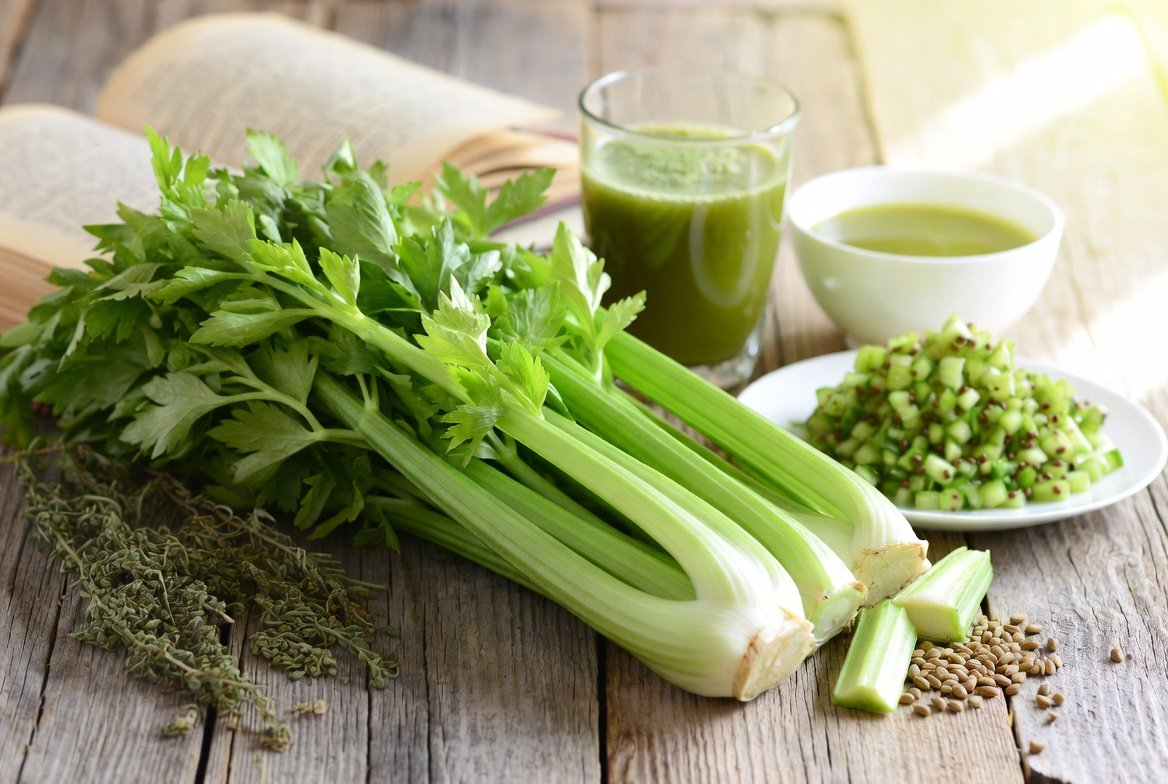
In South Slavic kitchens, pravi celer is not treated as a supporting character in a recipe. It is often a central flavour, particularly in its root form. The root is boiled and mashed as a side dish, grated fresh into salads with apple and lemon, roasted to develop its natural caramelised sweetness, or added raw to winter soups where it provides an earthy depth that no other vegetable quite replicates.
The leaves are treated as a herb rather than as waste, finely chopped and used in the same way as parsley or added in generous quantities to bean stews, broths, and meat dishes. Their flavour is more intense than the stalks and they carry a higher concentration of the plant’s aromatic compounds.
In the context of the classic Balkan soup base, sometimes called temfani or sofrito, celery root is cut alongside carrot and onion and gently sauteed in oil to form the foundational flavour layer on which meat-based soups and stews are built. This technique is deeply embedded in everyday home cooking across the region and reflects a culinary philosophy that values depth of flavour over speed of preparation.
How to Select and Store Pravi Celer
Whether you are buying stalks or root celery, freshness is the primary indicator of quality. Fresh stalks should feel firm and snap cleanly when bent, carrying a clean, fresh aroma. The leaves should be bright green and not wilted or yellowing. The root, if buying celeriac, should feel heavy and solid with no soft patches or hollow sounds when tapped.
Store celery stalks unwashed in a loose bag in the refrigerator crisper drawer. They will keep well for up to two weeks. Celeriac root stores even better, lasting several weeks in cool conditions. If you have access to a cool, dark cellar, celeriac can be stored for months, making it a practical winter vegetable even in climates where fresh produce is limited by season.
To freeze celery for long-term use, blanch it in boiling water for two to three minutes, cool it immediately in ice water, dry it thoroughly, and freeze in portions. The texture will soften after freezing, making frozen celery best suited for cooked dishes rather than raw preparations.
Practical Ways to Use Pravi Celer Every Day
- Raw with dips: Fresh stalks with hummus, tahini, or a simple olive oil and sea salt dip make a nutritious and satisfying snack that requires no preparation beyond washing and cutting.
- Soup bases: Always include celery, either stalks or root, in any stock or broth. It provides a savoury depth that is difficult to replicate with any other vegetable.
- Roasted as a side dish: Roasting celeriac at high heat with olive oil, salt, and fresh thyme brings out its natural sweetness and transforms it into something rich and deeply satisfying.
- In grain bowls: Thinly sliced raw celery adds crunch and fresh flavour to grain-based bowls with quinoa, farro, or brown rice.
- Celery juice: Juicing celery stalks first thing in the morning has become popular in wellness communities. While some of the fibre is lost in juicing, the liquid remains rich in electrolytes and bioactive compounds.
- As a herb substitute: Celery leaves can replace or supplement parsley in almost any recipe where fresh herbs are called for.
- In slow-cooked dishes: Adding whole celery stalks or chunks of celeriac root to slow cooker dishes and braises adds body and flavour that intensifies over long cooking times.
Growing Your Own Pravi Celer
Celery is one of the more demanding vegetables to grow at home, but the flavour difference between homegrown and shop-bought celery is significant enough to make the effort worthwhile. The plant requires consistently moist, fertile soil, cool growing conditions, and a long growing season of approximately 130 to 140 days from seed to harvest.
Start seeds indoors 10 to 12 weeks before the last expected frost. Celery seeds are very small and need light to germinate, so press them lightly into moist compost without covering them. Transplant seedlings outside when night temperatures consistently remain above 10 degrees Celsius. Mulch generously around the base of plants to retain moisture, and water consistently throughout the growing season. Even short periods of dryness can cause the stalks to become stringy and bitter.
Celeriac is somewhat more forgiving than stalk celery and is particularly recommended for home growers in cooler climates. The root develops over a long season but requires less precise moisture management than the stalk varieties.
Frequently Asked Questions About Pravi Celer
Is pravi celer a different plant from regular celery?
No. Pravi celer is the same species as regular celery, Apium graveolens. The term simply refers to celery in its natural, whole, unprocessed form, emphasising authenticity and complete use of the plant rather than a biological distinction.
What does pravi mean in South Slavic languages?
Pravi means real, true, or authentic. When combined with celer, it creates a phrase that means real celery, distinguishing whole, natural celery from commercially processed or partially used versions.
Is celery root the same as pravi celer?
In Balkan culinary contexts, pravi celer most often refers to the root variety, called celeriac in English. However, the spirit of the term applies to any use of the whole celery plant rather than just the stalks.
What is the best way to eat celery for maximum nutritional benefit?
Eating celery raw preserves the maximum vitamin and enzyme content. However, cooking releases some of the plant’s bound compounds, including its anti-inflammatory flavonoids, so both raw and cooked forms have nutritional merit. The most beneficial approach is to include celery in a variety of forms across different meals.
Can you eat celery leaves?
Yes, and in traditional pravi celer use, the leaves are considered a valuable part of the plant rather than waste. They have a more intense flavour than the stalks and can be used as a herb in cooking or added fresh to salads and soups.