

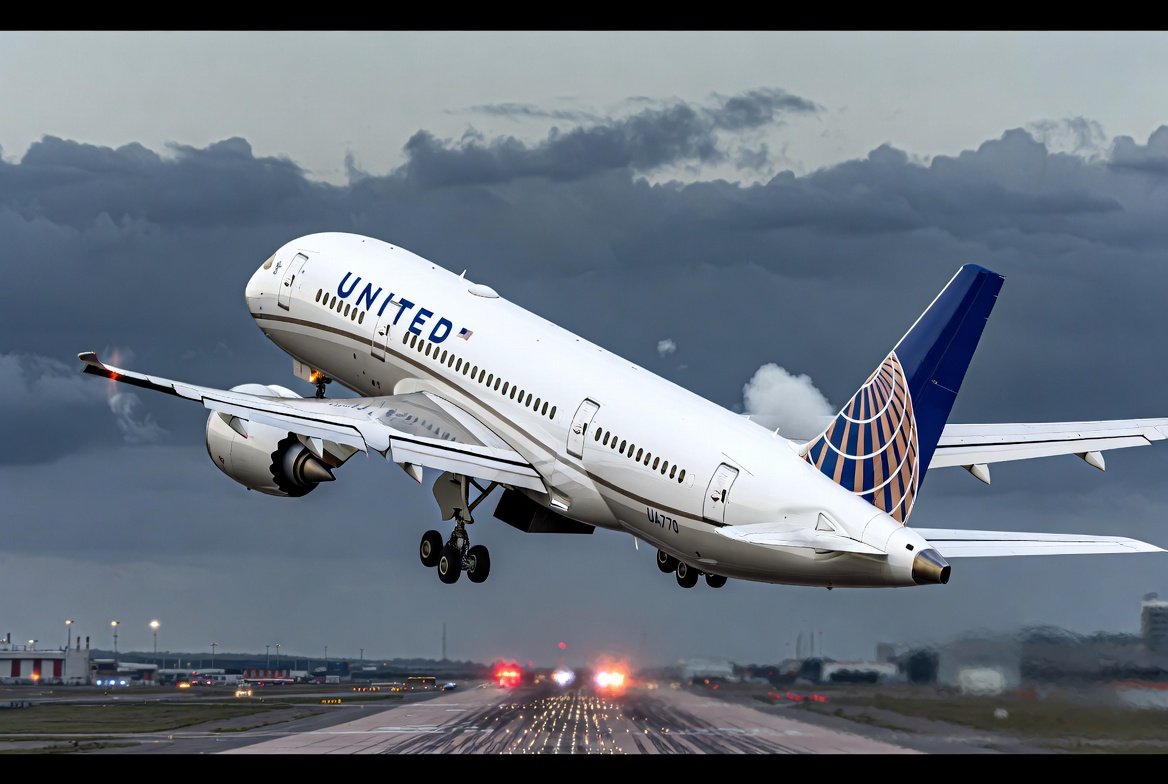
United Airlines Flight UA770 recently made headlines after an unexpected emergency diversion that left passengers and aviation authorities on high alert. The incident raised serious questions about air safety protocols, crew response, and how airlines handle in-flight emergencies.
What Was Flight UA770?
United Airlines Flight UA770 was a scheduled commercial flight operating under United Airlines, one of the largest carriers in the United States. The flight was diverted mid-route due to an emergency situation onboard, forcing pilots to make an unplanned landing at an alternate airport.
Emergency diversions, while rare, are a standard part of aviation safety procedures. Pilots are trained extensively to handle such situations, and every diversion is taken seriously by both the airline and aviation regulators.



Why Was the Flight Diverted?
Reports indicate the diversion was triggered by a medical emergency or a serious technical issue onboard. Airlines are required by aviation law to prioritize passenger safety above all else, meaning even a potential threat is enough to warrant landing at the nearest suitable airport.
The crew of UA770 followed standard emergency protocols:
- Declaring an emergency with air traffic control
- Communicating the situation to the nearest airport
- Coordinating with ground teams for immediate assistance upon landing
- Ensuring passenger safety throughout the diversion process
Where Did the Flight Land?
When an emergency diversion occurs, pilots work closely with air traffic controllers to identify the closest airport with adequate runway length, emergency services, and facilities. In the case of UA770, the aircraft was directed to a suitable alternate airport where emergency response teams were standing by.
Passengers were deplaned safely, and United Airlines arranged alternative travel for those affected.
How Common Are Emergency Diversions?
Emergency diversions happen more often than most people realize. According to aviation data, thousands of diversions occur globally each year due to various reasons including:
Medical Emergencies A passenger or crew member experiencing a serious health event is one of the most common causes of diversion. Airlines carry basic medical equipment onboard, but serious conditions require immediate hospital access.
Mechanical or Technical Issues Warning lights, engine irregularities, or system failures can prompt pilots to land immediately rather than risk continuing the flight.
Security Threats Unruly passengers, bomb threats, or suspicious behavior can all lead to an emergency diversion.
Severe Weather If the destination airport becomes inaccessible due to storms, diversions to alternate airports are standard procedure.
How United Airlines Handles Emergencies
United Airlines has a comprehensive emergency response system in place. The airline works in coordination with the FAA (Federal Aviation Administration) and local airport authorities whenever a diversion occurs.
Passengers are entitled to:
- Rebooking on the next available flight at no extra charge
- Meal vouchers and accommodation if delays extend overnight
- Full transparency from the airline regarding the reason for diversion
United Airlines customer service teams are deployed quickly during such incidents to minimize inconvenience for affected travelers.
Passenger Reactions to the UA770 Diversion
Social media lit up after news of the UA770 diversion spread. Passengers onboard shared their experiences, describing the moment the captain made the announcement and how the cabin crew managed to keep everyone calm throughout the ordeal.
Many praised the professionalism of the United Airlines crew, noting that:
- The announcement was clear and reassuring
- Cabin crew moved efficiently to prepare the cabin for landing
- Passengers were kept informed at every stage
What Aviation Experts Say
Aviation safety analysts have pointed out that an emergency diversion is actually a sign that safety systems are working correctly. The decision to divert rather than press on to the original destination reflects proper pilot judgment and a commitment to passenger welfare over schedule convenience.
Experts also note that modern commercial aircraft are equipped with redundant systems, meaning a single failure rarely poses an immediate catastrophic risk. However, protocol demands that any abnormal situation be treated with full seriousness.
Frequently Asked Questions About Flight Diversions
Is an emergency diversion dangerous? Not necessarily. Most diversions are precautionary, meaning the actual risk may be low but protocol requires action. The landing itself is carefully managed by experienced pilots.
Will passengers get a refund? Airlines typically offer rebooking, vouchers, or refunds depending on the circumstances and how long the delay lasts.
How long does it take to rebook after a diversion? This depends on the airport and available flights. United Airlines usually works to rebook passengers within a few hours.
Can passengers leave the aircraft during a diversion stop? This depends on the nature of the emergency and local airport regulations. In many cases, passengers are taken into the terminal while the aircraft is assessed.
Final Thoughts
The emergency diversion of United Airlines Flight UA770 serves as a reminder of how seriously commercial aviation takes passenger safety. From the moment a potential issue is detected, a precise chain of actions is set in motion to protect everyone onboard.
While diversions can be stressful and inconvenient for travelers, they represent the aviation industry at its most responsible. The crew, ground teams, and airline all worked together to ensure a safe outcome, which is ultimately what matters most.