

What Exactly Is Crocolini?
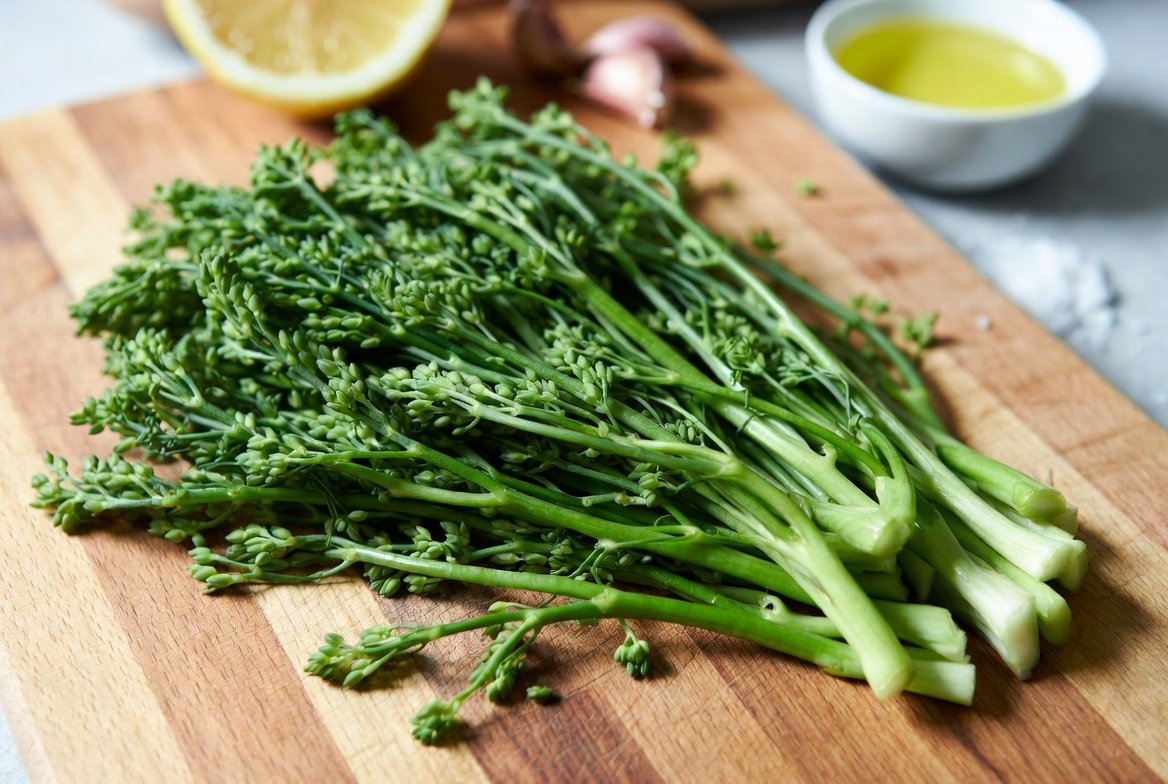
Crocolini is a hybrid vegetable that was developed by crossing broccoli with Chinese kale, also known as gai lan. The result is a plant with long, slender stalks, small loose florets, and a taste that sits somewhere between mild broccoli and leafy greens, with a pleasant hint of sweetness.
Unlike regular broccoli, which has a large, dense head and thick stalk, crocolini is entirely edible from top to bottom. The stems are thin and tender, the florets are small and delicate, and even the leaves that occasionally appear on the stalk are perfectly safe and tasty to eat. There is very little waste involved, which makes it an economical and convenient choice.



The vegetable is sometimes labeled as broccolini or baby broccoli in stores, and while these names are often used interchangeably, they all refer to the same hybrid plant. The slightly varied spelling of crocolini has become popular in certain regions and online communities, but the product itself remains consistent.
How Does Crocolini Differ From Regular Broccoli?
Many people assume crocolini is simply young or immature broccoli. This is a common misconception. Crocolini is a distinct hybrid with its own characteristics that set it apart quite clearly from standard broccoli.
Size and Structure
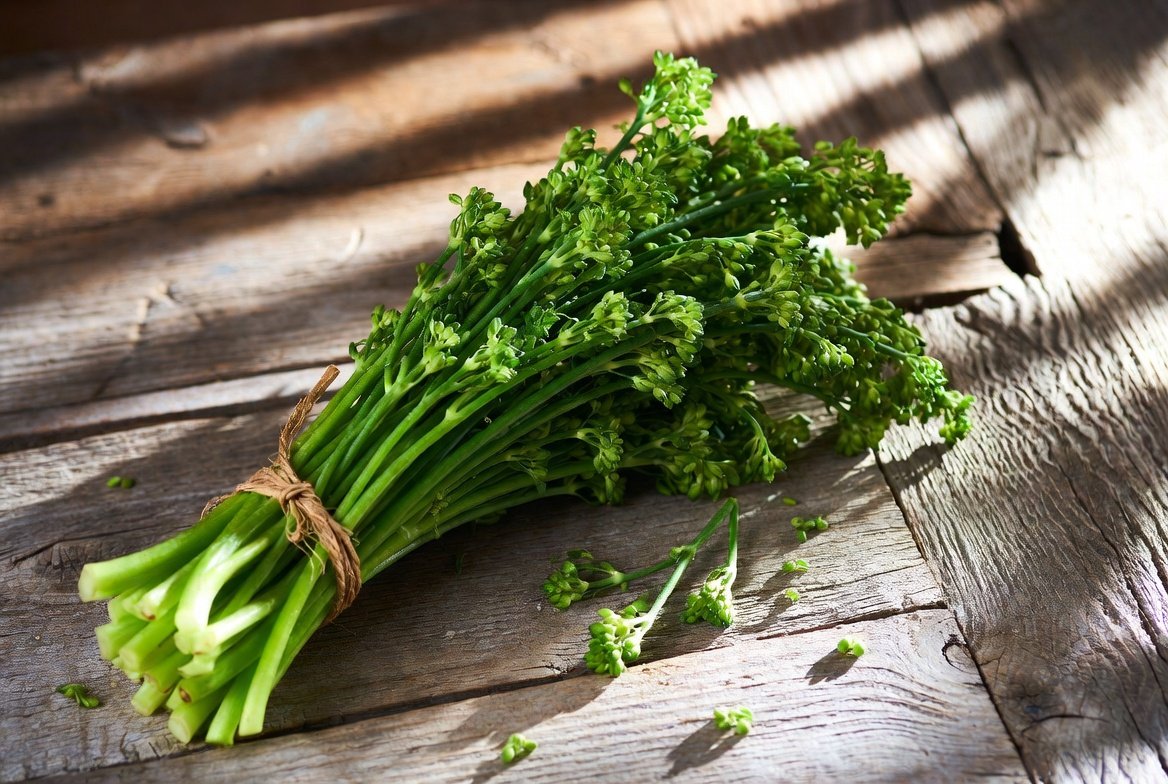
Regular broccoli grows into a large, compact head with thick, fibrous stems. Crocolini, by contrast, grows in individual long stalks with loosely clustered florets at the top. Each stalk is roughly the width of a finger and around 15 to 20 centimetres in length.
Taste and Texture
Broccoli has a robust, sometimes slightly bitter flavor that becomes more pronounced when overcooked. Crocolini is noticeably milder and carries a gentle sweetness that makes it far more approachable, particularly for those who find regular broccoli too strong. Its texture is also more tender, meaning it cooks faster and requires less preparation.
Cooking Time
Because the stalks are thin and the florets are small, crocolini cooks in a fraction of the time needed for broccoli. A quick saute of three to four minutes, a brief steam of five minutes, or a roast at high heat for ten minutes is all it takes to bring out its best qualities.
Where Does Crocolini Come From?
The origins of crocolini trace back to Japan in the 1990s, where agricultural researchers spent years developing a hybrid plant that would combine the familiarity of broccoli with the tenderness and sweetness of Chinese kale. After nearly eight years of careful breeding work, they arrived at the vegetable we now know as crocolini or broccolini.
It was initially introduced to the American market in 1996 and gained traction fairly quickly due to its visual appeal and ease of preparation. Over the following decades, it spread to markets across Europe, Australia, and beyond, becoming a staple in upscale restaurants before finding its way into everyday kitchens.
Today, crocolini is grown commercially in several countries including the United States, the Netherlands, Australia, and parts of East Asia. Its cultivation is relatively efficient compared to regular broccoli, and it can be harvested multiple times from the same plant, making it a sustainable choice for farmers.
Nutritional Value of Crocolini
One of the most compelling reasons to include crocolini in your diet is its impressive nutritional content. Despite its delicate appearance, this vegetable delivers a meaningful range of vitamins, minerals, and beneficial plant compounds.
| Nutrient | Benefit |
|---|---|
| Vitamin C | Supports immune function and skin health |
| Vitamin A | Promotes eye health and cell growth |
| Vitamin K | Essential for blood clotting and bone strength |
| Folate | Important for cell repair and during pregnancy |
| Iron | Helps carry oxygen through the blood |
| Calcium | Supports strong bones and teeth |
| Dietary Fibre | Aids digestion and promotes satiety |
| Potassium | Regulates blood pressure and heart function |
Crocolini is also low in calories, making it an excellent addition to any diet focused on weight management or general health. A standard serving of around 100 grams contains approximately 35 calories, making it a nutrient-dense food in the truest sense.
Key Health Benefits of Eating Crocolini
Supports Digestive Health
The dietary fibre in crocolini supports healthy digestion by promoting regular bowel movements and feeding beneficial gut bacteria. A healthy gut has far-reaching effects on overall wellbeing, from mood to immunity.
Strengthens the Immune System
With a solid dose of vitamin C per serving, crocolini contributes to immune defence. Vitamin C also acts as an antioxidant, helping to protect cells from oxidative stress caused by free radicals.
Promotes Bone Health
The combination of calcium, vitamin K, and phosphorus in crocolini makes it a genuinely useful food for maintaining bone density, particularly important as we age.
Supports Heart Health
Potassium helps regulate blood pressure, and the fibre content contributes to healthy cholesterol levels. Together, these make crocolini a heart-friendly food to include regularly.
Beneficial During Pregnancy
Folate is critical during early pregnancy for healthy fetal development, particularly in preventing neural tube defects. Crocolini provides a natural, food-based source of this essential nutrient.
How to Cook Crocolini: Best Methods
Crocolini is wonderfully forgiving in the kitchen. It adapts well to a wide range of cooking methods without losing its appeal. Here are the most effective ways to prepare it.
Sauteed Crocolini with Garlic
Heat a generous splash of olive oil in a wide pan over medium-high heat. Add whole crocolini stalks along with two or three sliced garlic cloves. Toss regularly for three to four minutes until the stalks are bright green and just tender. Finish with a squeeze of lemon juice and a pinch of sea salt. This method brings out the natural sweetness of the vegetable beautifully.
Roasted Crocolini
Preheat your oven to 220 degrees Celsius. Toss crocolini with olive oil, salt, and pepper on a baking tray. Roast for 10 to 12 minutes until the edges of the florets are slightly crisp and the stalks are tender. Roasting concentrates the flavor and adds a pleasant caramelised quality.
Steamed Crocolini
Place crocolini in a steamer basket over boiling water. Steam for four to five minutes until tender but still with a slight bite. This method preserves the most nutrients and is ideal when you want a clean, light side dish.
Grilled Crocolini
Brush stalks lightly with oil and place directly on a hot grill or griddle pan. Grill for two to three minutes per side until char marks appear and the stalks soften. Grilled crocolini works exceptionally well as a side for grilled meats or fish.
Blanched Crocolini for Salads
Drop crocolini into boiling salted water for two minutes, then transfer immediately to ice water to stop the cooking. This preserves the vivid green color and creates a crisp texture that works perfectly in cold salads and grain bowls.
Crocolini in the Kitchen: Meal Ideas
One of the greatest strengths of crocolini is how easily it fits into a wide variety of dishes. Here are some practical meal ideas to inspire you.
- Pasta dishes: Toss sauteed crocolini with spaghetti, olive oil, chilli flakes, and parmesan for a simple and satisfying meal.
- Grain bowls: Layer blanched crocolini over quinoa or brown rice with roasted chickpeas and tahini dressing.
- Stir-fries: Add crocolini in the last two minutes of cooking a stir-fry. It absorbs sauces well and adds a fresh element.
- Pizza topping: Roasted crocolini makes an excellent and slightly unexpected pizza topping alongside mozzarella and chilli oil.
- Frittatas and omelettes: Chop lightly cooked crocolini and fold into egg dishes for added nutrition and color.
- Soup garnish: Use whole stalks as a garnish for clear broths and Asian-style soups.
- Side dish: Simply sauteed or roasted, crocolini makes a reliable and elegant side for almost any main course.
How to Select Fresh Crocolini
Knowing how to choose good crocolini at the market will make a noticeable difference in your cooking. Look for the following signs of freshness.
- Stalks should be firm and bright green with no yellowing
- Florets should be tightly closed, not flowering or turning yellow
- The cut ends of the stalks should look moist and fresh, not dried out or brown
- Avoid bunches that feel limp or have slimy patches
- A fresh, clean vegetal smell is a good indicator of quality
Storing Crocolini Correctly
Fresh crocolini is best used within three to five days of purchase. To keep it in good condition, store it unwashed in a loose plastic bag or a produce bag in the crisper drawer of your refrigerator. Excess moisture accelerates deterioration, so hold off on washing until you are ready to cook.
For longer storage, crocolini can be blanched for two minutes, cooled immediately in ice water, patted dry, and frozen in airtight bags for up to three months. The texture will soften slightly after freezing, making frozen crocolini best suited for cooked dishes rather than salads.
Is Crocolini Good for Weight Loss?
Crocolini is an excellent vegetable for anyone managing their weight. At roughly 35 calories per 100 gram serving, it provides substantial volume without contributing meaningfully to calorie intake. The fibre content promotes feelings of fullness, which helps reduce overall food consumption throughout the day.
Its versatility also makes it easy to substitute for higher-calorie elements in meals. Adding a generous serving of crocolini to pasta, for instance, allows you to reduce the amount of pasta used while maintaining a satisfying portion size and adding considerable nutritional value.
Common Mistakes to Avoid When Cooking Crocolini
- Overcooking: The most common error. Crocolini should retain a slight bite. Overcooked crocolini becomes mushy and loses its vibrant color.
- Discarding the stalks: The stalks are the best part. Do not trim them aggressively. A small trim of the very base is all that is needed.
- Under-seasoning: Crocolini has a mild flavor that benefits from proper seasoning. Salt, acid, and a fat source like olive oil make a significant difference.
- Cooking in a crowded pan: Too many stalks in one pan traps steam and results in a limp, steamed texture rather than a properly sauteed or roasted finish.
- Skipping the blanch before freezing: Freezing without blanching first leads to poor texture and flavor loss.
Frequently Asked Questions About Crocolini
Is crocolini the same as broccolini?
Yes, crocolini and broccolini refer to the same hybrid vegetable. The names are used interchangeably in different regions and retail contexts.
Can you eat crocolini raw?
Yes. Fresh crocolini can be eaten raw. The stalks are tender enough to eat without cooking, though blanching or lightly cooking improves the texture and makes the nutrients more bioavailable.
Is crocolini the same as baby broccoli?
It is often sold under the name baby broccoli, but crocolini is not simply immature broccoli. It is a separate hybrid species with distinct characteristics in terms of flavor, texture, and structure.
How do I know when crocolini is done cooking?
Crocolini is ready when the stalks are tender when pierced with a knife but still hold their shape, and the color remains a vivid, deep green. If it starts to turn olive or dull, it has been cooked too long.
Is crocolini suitable for children?
Absolutely. Its mild sweetness and tender texture make it one of the more child-friendly green vegetables. Roasting it until the edges are slightly crisp often makes it particularly appealing to younger eaters.
Final Thoughts
Crocolini deserves a regular place in your kitchen. It is nutritious, quick to prepare, adaptable across dozens of dishes, and genuinely enjoyable to eat. Whether you are an experienced cook looking for new ingredients to work with or someone simply trying to eat a little more healthily, crocolini delivers on every level.
Its rise in popularity is no accident. A vegetable that looks beautiful, cooks in minutes, tastes great, and supports your health in multiple ways is exactly the kind of ingredient modern cooking calls for. Pick up a bunch the next time you are at the market and discover for yourself why crocolini has become a kitchen staple for so many people.