

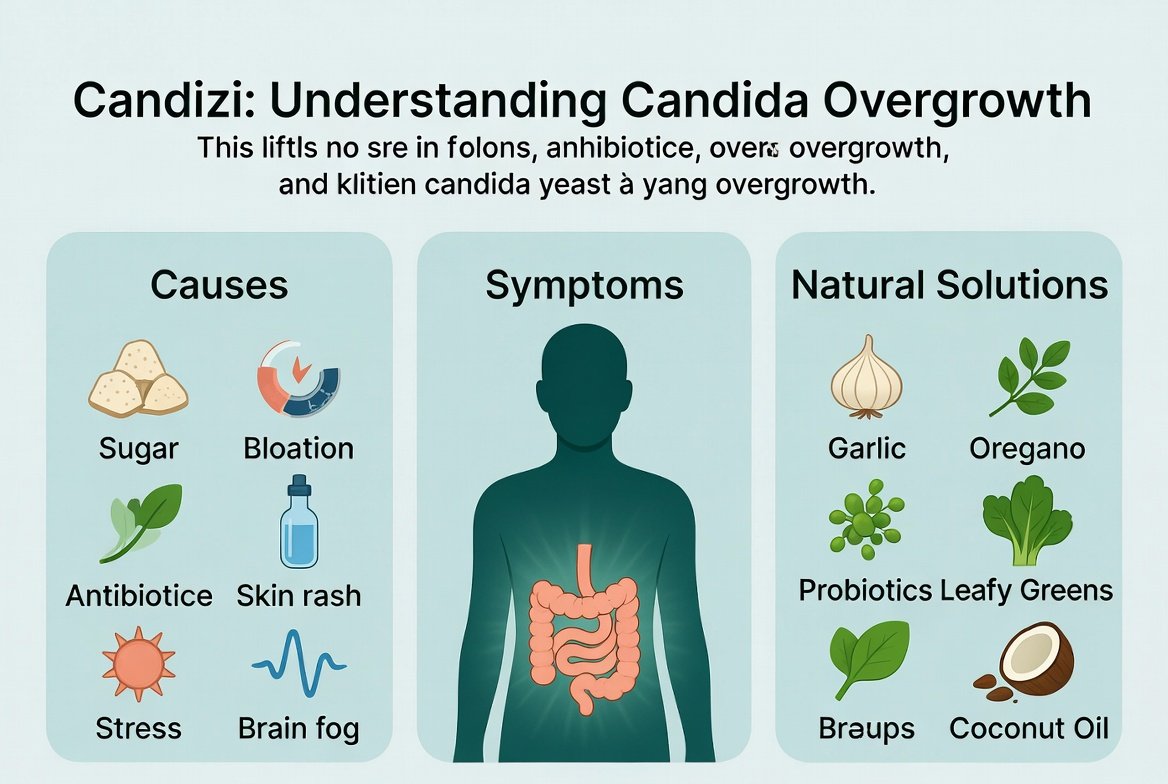
Millions of people around the world experience persistent fatigue, digestive discomfort, recurring infections, and a general sense that something in their body is simply not working as it should. In many of these cases, the underlying issue is an overgrowth of a naturally occurring yeast known as candida. The term candizi has become widely used in health and wellness communities to describe this state of imbalance, the symptoms it produces, and the approaches people take to address it.
What Is Candizi?
Candizi is a colloquial term derived from candida, the genus name for a group of yeast organisms that naturally inhabit the human body. Candida species are present in the digestive tract, the mouth, the skin, and the mucous membranes of most healthy adults. In normal circumstances, they coexist harmlessly alongside the many other microorganisms that make up the human microbiome.



Problems arise when the balance of the microbiome is disrupted. When conditions allow candida to grow beyond its normal boundaries, the resulting overgrowth can affect multiple body systems and produce a wide range of symptoms. This condition is medically referred to as candidiasis, but many people in wellness circles use the shorthand candizi to describe both the overgrowth itself and the broader approach to managing and preventing it.
It is worth noting that candizi is not a formal medical diagnosis. If you suspect a genuine candida infection, particularly in vulnerable areas such as the oesophagus, blood, or urinary tract, proper medical assessment and treatment are essential.
Understanding Candida: The Biology Behind Candizi
There are over 150 known species of candida, but the one most commonly associated with human health issues is Candida albicans. This species is a commensal organism, meaning it normally lives in the body without causing harm. It is kept in check by the immune system and by the billions of beneficial bacteria that populate the gut.
Candida albicans is a remarkably adaptable organism. It can exist in two distinct forms: a benign yeast form that poses little threat, and a more invasive hyphal form in which it grows thread-like projections that can penetrate tissue. The transition between these forms is triggered by changes in the internal environment, including shifts in pH, temperature, or the availability of nutrients.
When the gut microbiome is healthy and diverse, beneficial bacteria such as Lactobacillus and Bifidobacterium species actively compete with candida for space and nutrients, preventing it from transitioning into its more aggressive form. When that balance is disturbed, candida can proliferate rapidly and begin causing problems throughout the body.
Common Causes of Candizi
Understanding what triggers candida overgrowth is essential to both preventing and addressing candizi effectively. Several factors are well-established as contributors.
Antibiotic Use
Antibiotics are among the most significant triggers of candizi. While they are essential for treating bacterial infections, broad-spectrum antibiotics do not discriminate between harmful pathogens and the beneficial bacteria that keep candida in check. After a course of antibiotics, the gut microbiome can be significantly depleted, creating an opportunity for candida to expand rapidly into the vacant ecological space.
High Sugar and Refined Carbohydrate Diet
Candida thrives on sugar. Diets high in refined carbohydrates, sugary foods, fruit juices, alcohol, and processed snacks create an internal environment that directly fuels candida growth. This is one of the most modifiable risk factors for candizi and forms the cornerstone of most dietary interventions aimed at addressing it.
Compromised Immune Function
A healthy immune system actively monitors and controls candida populations. When immunity is weakened, whether through illness, chronic stress, poor nutrition, or immunosuppressive medications, candida has greater freedom to expand. This is why individuals with conditions such as HIV, diabetes, or those undergoing chemotherapy are at significantly elevated risk of serious candida infections.
Hormonal Changes
Fluctuations in oestrogen levels create a more hospitable environment for candida in vaginal tissue. This explains why many women experience recurrent vaginal thrush during pregnancy, when using oral contraceptives, or during certain phases of the menstrual cycle. Hormonal changes associated with menopause can also increase susceptibility.
Chronic Stress
Sustained psychological or physical stress elevates cortisol levels in the body. High cortisol suppresses immune function and can disrupt the gut microbiome over time, both of which contribute to the conditions that allow candizi to develop. Managing stress is therefore a genuine and important part of any candizi management strategy.
Poor Sleep
Sleep deprivation impairs immune function and increases inflammatory markers in the body. Chronic poor sleep creates a systemic vulnerability that can make it harder for the body to maintain microbial balance, including the regulation of candida populations.
Oral Corticosteroids
Inhaled or oral corticosteroids used to manage conditions such as asthma or autoimmune diseases can encourage the growth of candida, particularly in the mouth and throat. Oral thrush is a well-recognised side effect of inhaled corticosteroid use, especially when mouth rinsing after inhalation is neglected.
Signs and Symptoms of Candizi
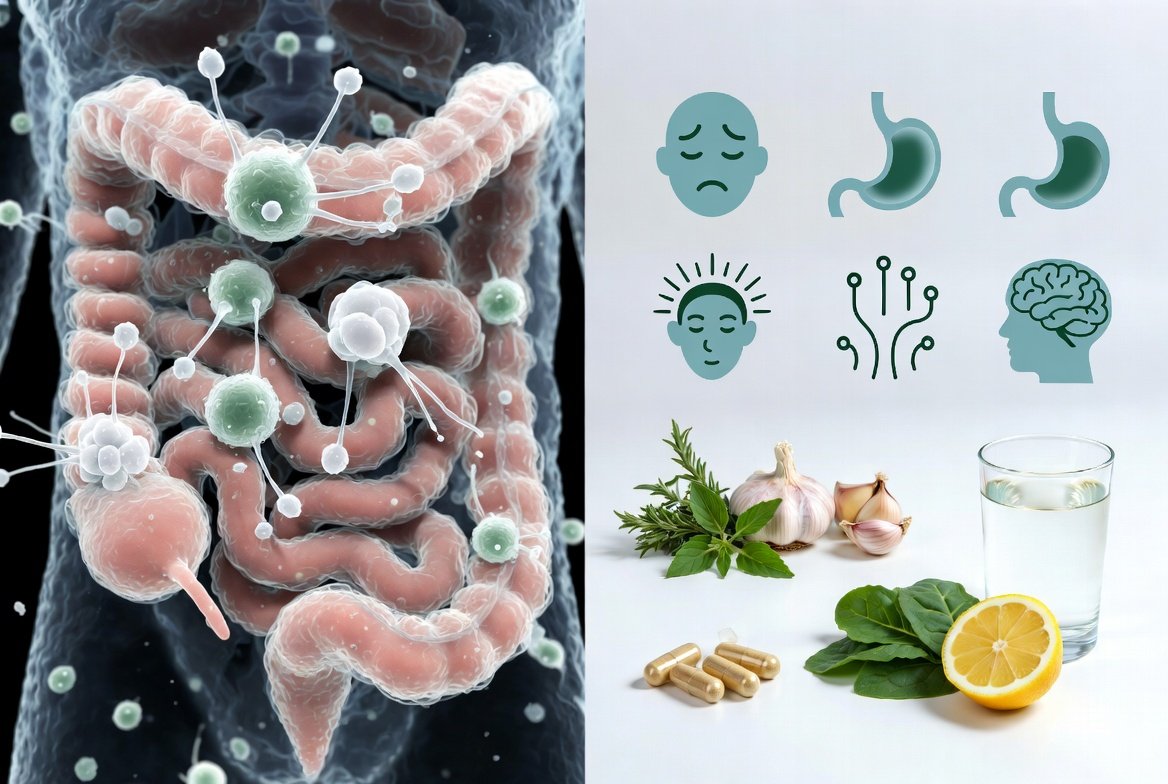
The symptoms associated with candizi are broad and varied, which is one reason why the condition is frequently overlooked or attributed to other causes. The following are among the most commonly reported.
Persistent Fatigue
Unexplained and persistent tiredness that does not resolve with rest is one of the most frequently cited symptoms of candizi. This fatigue is thought to result from a combination of the metabolic byproducts produced by candida as it ferments sugar in the gut, nutritional deficiencies that can accompany gut dysfunction, and the general burden placed on the immune system by chronic overgrowth.
Digestive Disturbance
Bloating, excessive gas, abdominal discomfort, constipation, diarrhoea, and an unsettled sensation after eating are all common digestive complaints associated with candizi. The disruption to the gut microbiome affects normal digestive processes and can compromise the integrity of the gut lining over time.
Brain Fog and Poor Concentration
Many people with candizi describe a persistent mental haziness, difficulty concentrating, memory lapses, and a general inability to think clearly. This neurological symptom is believed to be linked to the production of acetaldehyde, a toxic metabolite produced when candida processes sugar. Acetaldehyde can cross the blood-brain barrier and impair cognitive function.
Recurrent Thrush
Recurrent oral or vaginal thrush is one of the most direct clinical indicators of candida overgrowth. While single episodes of thrush are common and usually resolve easily with treatment, recurrent infections suggest that the underlying population of candida has not been adequately addressed.
Skin and Nail Issues
Candida can manifest on the skin and nails, causing conditions including athlete’s foot, ringworm-like rashes, nail fungal infections, and red or itchy skin in warm moist areas such as under the arms, in skin folds, or between the toes. Eczema and chronic skin conditions are also sometimes linked to candida overgrowth in the gut.
Strong Cravings for Sugar and Refined Carbohydrates
Intense and persistent cravings for sugar, bread, alcohol, or other refined carbohydrates are commonly reported by people dealing with candizi. This is thought to reflect candida’s own demand for its preferred fuel source, producing signals via the gut-brain axis that translate into specific food cravings in the host.
Mood Changes and Irritability
Anxiety, low mood, irritability, and emotional instability are reported by some individuals with candizi. The gut-brain connection is well-established in modern research, and disruption to the gut microbiome can meaningfully affect neurotransmitter production and emotional regulation.
How Is Candizi Diagnosed?
There is no single definitive test for systemic candida overgrowth, which contributes to the controversy surrounding candizi as a clinical concept. However, several assessment approaches are used in both conventional and integrative medicine.
Stool Analysis
Comprehensive stool testing can identify the presence and relative levels of candida species in the digestive tract, alongside the composition of the broader gut microbiome. This is one of the more informative tests available for assessing candizi.
Urine Organic Acids Test
This test measures byproducts of candida metabolism, including arabinose and tartaric acid, in the urine. Elevated levels of these compounds can indicate significant candida overgrowth in the gut.
Blood Antibody Testing
Blood tests can measure antibody levels against candida antigens. Elevated IgG, IgA, or IgM antibodies may suggest that the immune system is responding to a higher-than-normal burden of candida in the body.
Symptom-Based Assessment
In practice, many healthcare practitioners use a combination of symptom history, dietary patterns, medication history, and clinical assessment to evaluate whether candizi is a plausible contributing factor to a patient’s symptoms, often before or alongside laboratory testing.
The Candizi Diet: What to Eat
Dietary modification is the most widely adopted first step in addressing candizi. The goal is to reduce the availability of candida’s preferred food sources while supporting the growth of beneficial microorganisms and the repair of gut tissue.
Non-Starchy Vegetables
Leafy greens, courgette, asparagus, broccoli, cauliflower, cucumber, celery, and other low-starch vegetables form the foundation of a candizi-supportive diet. They provide fibre, vitamins, and minerals without supplying significant amounts of sugar or starch that could feed candida.
Quality Protein Sources
Eggs, chicken, turkey, fish, and other clean protein sources are well-tolerated and provide the amino acids needed for tissue repair and immune function. Wild-caught fish is particularly valuable due to its anti-inflammatory omega-3 fatty acid content.
Healthy Fats
Olive oil, coconut oil, avocado, and nuts and seeds all provide beneficial fats that support the integrity of cell membranes and have anti-inflammatory properties. Coconut oil deserves specific mention as it contains caprylic acid, a medium-chain fatty acid with well-documented antifungal properties.
Low-Sugar Fruits
Most fruits are restricted during the initial phase of a candizi diet due to their fructose content. Exceptions include small amounts of berries, lemon, and lime, which are lower in sugar and some of which carry antifungal compounds.
Fermented Foods
Probiotic-rich fermented foods such as plain live yoghurt, kefir, sauerkraut, and kimchi introduce beneficial bacteria into the digestive tract. These bacteria compete with candida and help restore microbiome balance. They should be introduced gradually to avoid digestive discomfort.
Garlic
Garlic is one of the most potent natural antifungal foods available. Its active compound, allicin, has demonstrated significant antifungal activity against Candida albicans in laboratory studies. Including fresh garlic regularly in cooking is a simple and effective dietary strategy for candizi support.
The Candizi Diet: What to Avoid
| Food Category | Examples | Reason to Avoid |
|---|---|---|
| Added sugars | Sweets, chocolate, fizzy drinks, fruit juice, honey | Directly feeds candida and promotes rapid overgrowth |
| Refined carbohydrates | White bread, pasta, white rice, pastries, crackers | Rapidly converted to sugar in the body |
| Alcohol | Beer, wine, spirits, cider | Contains sugar, disrupts microbiome, impairs immunity |
| High-sugar fruits | Grapes, mangoes, bananas, dried fruit | High fructose content feeds candida |
| Fermented and mould-containing foods | Aged cheeses, vinegar-based condiments, mushrooms | May exacerbate sensitivity in some individuals |
| Processed foods | Fast food, ready meals, packaged snacks | Contain hidden sugars, additives, and preservatives |
| Caffeine in excess | Coffee, energy drinks | Elevates cortisol, which can promote candida growth |
Natural Remedies and Supplements for Candizi
A range of natural supplements have evidence supporting their use in managing candida overgrowth. These should complement, not replace, dietary and lifestyle changes.
Probiotics
Multi-strain probiotic supplements containing Lactobacillus acidophilus, Lactobacillus rhamnosus, and Bifidobacterium species are among the most well-researched supplements for candizi. They help restore microbial balance, compete directly with candida for colonisation sites, and support the immune system’s regulatory function. Consistent daily use over several weeks is typically needed to see meaningful benefit.
Caprylic Acid
Caprylic acid, derived from coconut oil, is a medium-chain fatty acid with proven antifungal activity. It disrupts the cell membrane of candida, inhibiting its growth. It is available as a standalone supplement and is frequently included in dedicated candida-support formulations.
Oregano Oil
Oil of oregano contains two key active compounds, carvacrol and thymol, both of which have demonstrated antifungal properties in research settings. It is a potent supplement and should be taken in diluted or encapsulated form rather than neat. It should not be used for extended periods without breaks.
Berberine
Berberine is a plant-derived compound found in goldenseal, barberry, and Oregon grape. It has broad antimicrobial activity including against candida species and also helps regulate blood sugar levels, which has the secondary benefit of reducing the sugar availability that candida depends on.
Saccharomyces Boulardii
This beneficial yeast, classified as a probiotic despite being a yeast species itself, has been specifically studied for its ability to inhibit Candida albicans colonisation in the gut. It is particularly useful during and after antibiotic courses to prevent the microbiome disruption that commonly triggers candizi.
Pau d’Arco
Pau d’arco is a herbal supplement derived from the bark of a South American tree. It contains lapachol and beta-lapachone, compounds with documented antifungal activity. It is often consumed as a tea or taken in capsule form as part of a broader candizi management protocol.
Lifestyle Strategies That Support Candizi Recovery
Prioritise Sleep Quality
Aiming for seven to nine hours of quality sleep per night supports immune regulation and allows the body to carry out the restorative processes that are essential for maintaining microbial balance. Consistent sleep and wake times, limiting screen exposure before bed, and keeping the bedroom cool and dark all contribute to better sleep quality.
Manage Stress Effectively
Chronic stress is a significant and frequently overlooked driver of candizi. Regular practice of stress-reduction techniques such as mindfulness meditation, diaphragmatic breathing, yoga, or simply spending time in nature can meaningfully lower cortisol levels and reduce the immunosuppressive effects of stress over time.
Support Liver Function
The liver plays a central role in processing and eliminating the metabolic byproducts of candida die-off, particularly acetaldehyde. Supporting liver function through adequate hydration, minimising alcohol intake, and using liver-supportive herbs such as milk thistle helps the body manage this detoxification load more effectively.
Stay Well Hydrated
Drinking sufficient water throughout the day supports kidney function, helps flush metabolic waste products from the body, and maintains the mucosal integrity of the digestive tract. Herbal teas including peppermint, ginger, and pau d’arco provide hydration alongside additional therapeutic benefits relevant to candizi.
Exercise Regularly but Moderately
Regular moderate exercise supports immune function, reduces cortisol over time, improves gut motility, and helps regulate blood sugar. However, excessive high-intensity exercise can temporarily suppress immunity and increase physiological stress, so a balanced approach is most beneficial during candizi recovery.
Understanding Candizi Die-Off: The Herxheimer Reaction
When candida is killed off rapidly, whether through antifungal treatment, dietary changes, or supplement protocols, a significant release of toxins can occur. This is known as the Herxheimer reaction, or candizi die-off. Symptoms can temporarily worsen during this period and may include increased fatigue, headaches, flu-like feelings, heightened brain fog, and skin flare-ups.
Die-off typically begins within the first few days of starting an antifungal protocol and can last for one to two weeks. It is important not to mistake this temporary worsening for a sign that the approach is not working. Supporting the body’s detoxification systems, staying well hydrated, and introducing antifungal measures gradually rather than all at once can help reduce the severity of die-off symptoms.
Candizi in Women: Recurrent Thrush and Hormonal Connections
Women experience candizi-related issues at higher rates than men, primarily due to the hormonal factors that influence the vaginal environment. Oestrogen promotes the production of glycogen in vaginal cells, which candida uses as a food source. This explains the higher incidence of vaginal thrush in women with elevated oestrogen levels.
Recurrent vaginal thrush, defined as four or more episodes per year, is estimated to affect up to eight percent of women. It is frequently a sign of persistent candida overgrowth rather than repeated new infections. Addressing the underlying systemic imbalance through diet, probiotics, and lifestyle modifications often provides more durable relief than repeated courses of antifungal medication alone.
Probiotic strains specifically researched for vaginal health, including Lactobacillus rhamnosus GR-1 and Lactobacillus reuteri RC-14, have demonstrated clinical benefit in reducing recurrent thrush when taken orally.
Candizi and Gut Health: The Bigger Picture
Candizi does not exist in isolation. It is one manifestation of a broader disruption to gut health that affects a growing proportion of the population. The gut microbiome is now understood to influence immune function, mental health, metabolic regulation, skin health, and far more. Restoring balance after candizi overgrowth is not simply about reducing candida populations. It involves rebuilding a diverse and resilient microbial community that can prevent recurrence.
This means that the most effective and lasting approach to candizi is one that prioritises gut health comprehensively: consuming a diverse range of plant-based foods to support microbial diversity, avoiding unnecessary antibiotic use, managing stress, sleeping well, and using targeted probiotics to rebuild beneficial bacterial populations.
Frequently Asked Questions About Candizi
Is candizi a real medical condition?
Candidi overgrowth, clinically known as candidiasis, is a real and well-documented medical condition. The term candizi is a lay term used in wellness communities to describe this imbalance. Systemic candida infections are taken seriously in conventional medicine, particularly in immunocompromised patients.
How long does it take to recover from candizi?
Recovery time varies depending on the severity of overgrowth, how consistently dietary and lifestyle changes are applied, and the health of the individual’s immune system. Many people notice improvements within two to four weeks of implementing dietary changes and probiotic supplementation. Full restoration of microbiome balance can take several months.
Can candizi come back after treatment?
Yes. Candizi can recur if the underlying triggers, such as a high-sugar diet, chronic stress, or antibiotic use, are not addressed. Maintaining the dietary and lifestyle habits that support gut health is essential for preventing recurrence.
Can men get candizi?
Yes. While candizi-related symptoms are more commonly discussed in women, men can also experience candida overgrowth. Symptoms may include digestive issues, fatigue, skin rashes, brain fog, and in some cases penile thrush. The causes and management strategies are largely the same as for women.
Should I take antifungal medication for candizi?
For confirmed candida infections, antifungal medications prescribed by a doctor are appropriate and sometimes necessary. For broader candizi management aimed at addressing gut imbalance and associated symptoms, dietary changes, probiotics, and natural antifungal supplements are the primary approach. Always consult a healthcare professional before starting any new treatment protocol.
What is the fastest way to address candizi?
A combination of removing dietary sugar and refined carbohydrates, introducing a quality probiotic supplement, and adding natural antifungal foods such as garlic and coconut oil provides the most comprehensive and rapid approach. Supporting the liver and managing stress alongside these measures helps the body respond more effectively.
Are sugar cravings really caused by candizi?
This is a commonly proposed mechanism that lacks direct scientific proof in humans, but the correlation between candida overgrowth and intense sugar cravings is widely reported by those who have experienced candizi. Whether the cravings are driven directly by candida’s metabolic needs or by related blood sugar dysregulation, reducing sugar intake consistently reduces both the cravings and the overgrowth over time.
Final Thoughts
Candizi represents a genuinely common and frequently underestimated disruption to health that can affect energy levels, digestion, mental clarity, skin, and mood. While it lacks the status of a formal diagnosis, the underlying biology of candida overgrowth is well understood, and the strategies for addressing it are practical, accessible, and backed by a growing body of research.
The most effective approach to candizi is not a quick fix but a sustained commitment to the conditions in which a healthy microbiome can thrive. That means reducing dietary sugar, supporting beneficial bacteria through fermented foods and probiotics, managing stress, sleeping well, and being thoughtful about the use of antibiotics. These are not radical interventions. They are the foundations of good health, and candizi is often the body’s way of signalling that those foundations need attention.