

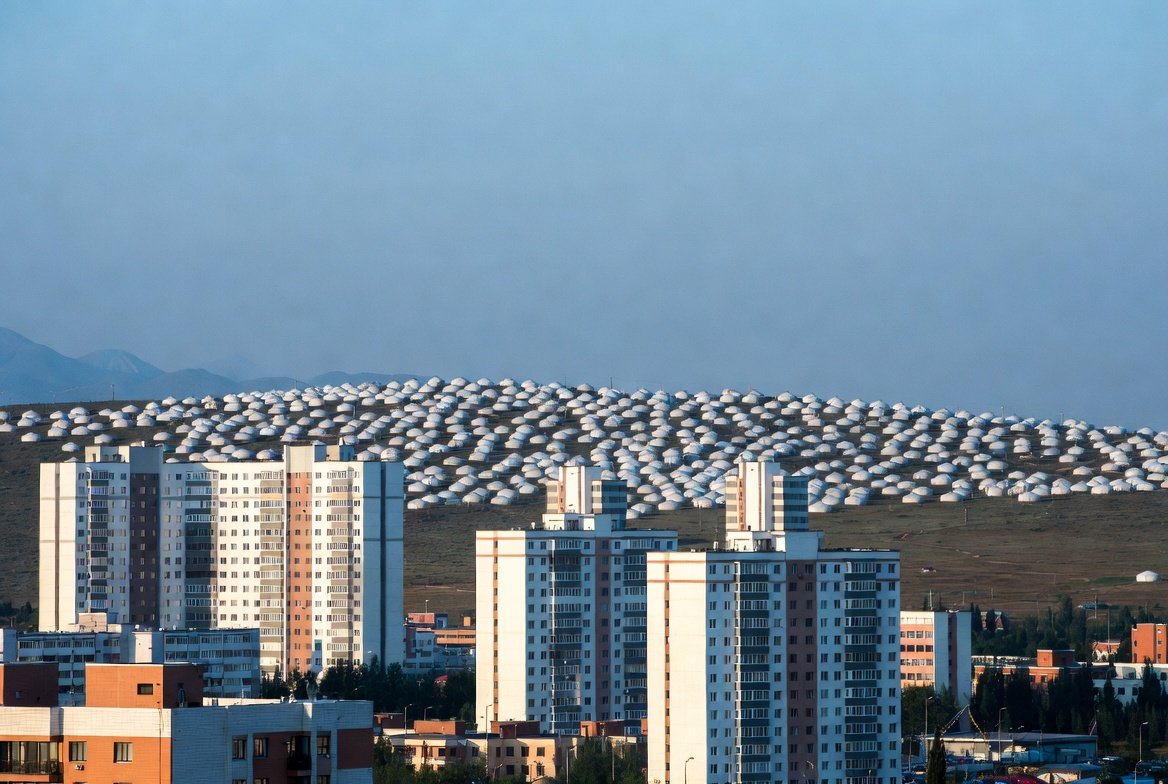
If you have encountered the word oronsuuts online and found yourself puzzled by the conflicting explanations attached to it, you are not alone. This Mongolian term has generated considerable confusion across the internet, with some sources describing it as a technology concept, others treating it as an abstract philosophical idea, and still others presenting it as some kind of digital platform or branding term. The reality is far more specific and grounded.
What Does Oronsuuts Mean?
In Mongolian, the word is written as орон сууц. When romanised, this becomes oronsuuts. The literal translation breaks down as follows: oron means place or space, and suuts derives from a root meaning dwelling or residence. Together, the word means a place to live, and in contemporary usage it refers most commonly to apartments and residential buildings in urban settings.



This is not a technical term or a specialised piece of vocabulary. It is an everyday word used in exactly the same way an English speaker might use the word flat, apartment, or home. When someone in Ulaanbaatar says they are looking for an oronsuuts, they mean they are searching for a place to rent or buy. When a government programme refers to oronsuuts, it is discussing residential housing units.
The word’s appearance in global search results is largely a consequence of Mongolia’s rapidly expanding urban housing market and the growing digitisation of Mongolian real estate platforms, which use oronsuuts as a primary search term. As Mongolian-language content has become more indexed and accessible internationally, this common word has attracted curiosity from non-Mongolian speakers who encounter it without context.
Why Is Oronsuuts Trending Online?
The global interest in oronsuuts is partly a product of search engine behaviour and partly a reflection of the guest posting ecosystem that generates content around trending or ambiguous keywords. When a foreign-language word begins appearing in search results without easy translation context, content creators often treat it as an open-ended keyword opportunity, publishing articles that describe the word in whatever terms seem plausible rather than investigating its actual meaning.
This has produced a situation where searches for oronsuuts return a mix of genuinely informative articles about Mongolian housing alongside pieces that describe the word as a technology platform, a philosophical concept, or a branding opportunity. The legitimate meaning of the word, grounded in its Mongolian linguistic context, is often buried beneath this generated content.
The actual reason oronsuuts is searched internationally is straightforward: Mongolia’s urban housing market, particularly in Ulaanbaatar, is growing rapidly, and the keyword appears in real estate listings, government housing portals, and news coverage of housing policy that has become increasingly accessible to international audiences.
Mongolia’s Urban Housing Context
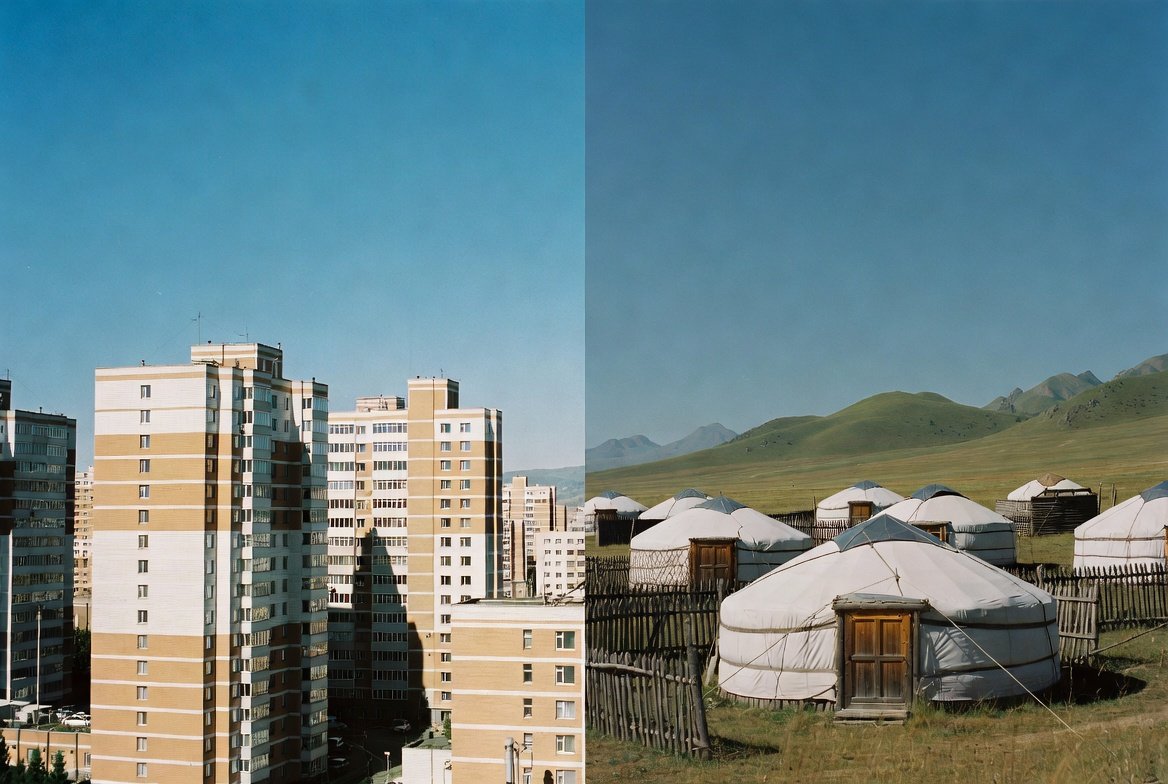
To understand why oronsuuts matters in practice, it helps to understand the urbanisation process that has transformed Mongolian society over recent decades. Mongolia is one of the least densely populated countries in the world by land area, but it has undergone rapid urbanisation, with a significant proportion of the population now living in cities, particularly the capital Ulaanbaatar.
This shift has created enormous demand for urban housing. Ulaanbaatar has grown from a relatively small administrative centre into a major city of more than one and a half million people, and the housing infrastructure has had to expand dramatically to accommodate this growth. The oronsuuts apartment system has been at the centre of this expansion.
Mongolia’s climate presents particular challenges for housing design. Winter temperatures in Ulaanbaatar regularly fall below minus 30 degrees Celsius, making effective heating systems a critical rather than optional feature of any residential building. The centralised heating systems found in oronsuuts apartment blocks, inherited from Soviet-era infrastructure and subsequently modernised, are a practical necessity in this environment in a way that they are not in milder climates.
Types of Oronsuuts in Mongolia
Not all oronsuuts buildings are the same. The Mongolian residential market encompasses a range of apartment types that reflect different periods of construction, different levels of amenity, and different price points.
Panel Buildings from the Soviet Era
A significant proportion of Ulaanbaatar’s apartment stock consists of buildings constructed during the Soviet period, typically between the 1960s and the early 1990s. These buildings were built to standardised designs prioritising functionality and density over aesthetic appeal. They typically feature centralised heating, shared utilities, and a layout that made efficient use of space for a rapidly growing urban population.
Panel buildings from this era are now considered dated and often lack the insulation standards required for modern energy efficiency. They tend to be more affordable than newer construction and remain popular among lower-income residents and students.
New Development Buildings
Mongolia’s economic growth over the past two decades, driven significantly by its mineral wealth, has funded a substantial wave of new construction. Modern oronsuuts buildings in central Ulaanbaatar now include high-rise residential towers with contemporary facilities including improved insulation, individual heating controls, secure entry systems, parking facilities, and in some cases amenities such as gyms, shops, and common areas.
These newer buildings are priced significantly higher than the Soviet-era stock and are primarily accessible to middle and upper-income buyers. Some developments have been built to international standards and attract foreign investors and expatriates.
Government Social Housing
The Mongolian government has operated programmes designed to increase housing accessibility for lower-income residents. The official government housing portal, oronsuuts.mcud.gov.mn, serves as a central platform through which state-supported housing programmes are administered. These initiatives aim to provide affordable oronsuuts to citizens who would otherwise be unable to access the private market.
Government housing programmes have been an important social policy tool in a country where the transition from nomadic or semi-urban lifestyles to city apartment living has happened within the lifetime of many residents, creating genuine need for supported access to formal housing.
Life in an Oronsuuts Building
Living in an oronsuuts apartment in Mongolia, particularly in Ulaanbaatar, means sharing a building with multiple other households and depending on shared infrastructure for heating, water, and sometimes electricity. This collective model of living represents a significant cultural shift from the traditional Mongolian lifestyle centred on the ger, the portable felt tent that is one of the most recognisable symbols of Mongolian nomadic culture.
The transition from ger to oronsuuts is not simply a change in physical dwelling. It involves adapting to shared spaces, different relationships with neighbours, and a dependence on urban infrastructure and services that is fundamentally different from the self-sufficiency of nomadic or rural living. Many Mongolians maintain strong emotional and cultural connections to the ger lifestyle even while living in city apartments, and some families in peri-urban areas maintain ger homes alongside their oronsuuts residences.
The practical advantages of oronsuuts living in Mongolia’s climate are substantial. The central heating systems in apartment buildings make surviving the extreme winters significantly easier than in a ger, which requires continuous maintenance of a fire or stove. Access to running water, indoor sanitation, and proximity to schools, healthcare, and employment are additional factors that draw rural migrants toward the oronsuuts model.
The Oronsuuts Real Estate Market
The market for oronsuuts in Mongolia is active and growing. In Ulaanbaatar, property prices have risen considerably over the past decade, driven by continued urbanisation, limited land availability in desirable areas, and speculative investment fuelled by Mongolia’s mineral revenues during periods of economic growth.
The rental market is also significant. Students from provincial areas studying in Ulaanbaatar, young professionals starting their careers, and families in transition between owned properties all create sustained demand for rental oronsuuts. Landlords range from individual property owners renting a single apartment to developers managing entire residential buildings.
Online platforms have become the primary channel through which oronsuuts are listed, searched, and transacted in Mongolia. The word itself functions as a key search term across these platforms, which is why it appears so prominently in Mongolian-language digital content and has consequently attracted international search attention.
Comparing Oronsuuts to Traditional Mongolian Housing
| Feature | Oronsuuts (Apartment) | Ger (Traditional Dwelling) |
|---|---|---|
| Structure | Permanent, multi-storey building | Portable felt and wooden frame tent |
| Heating | Central or individual system | Central stove, manually maintained |
| Mobility | Fixed location | Can be assembled and moved |
| Water and sanitation | Piped water, indoor facilities | Typically requires separate provision |
| Urban suitability | Designed for city living | Suited to open land and pastoral lifestyle |
| Cultural association | Modern, urban identity | Traditional nomadic heritage |
How to Search for Oronsuuts in Mongolia
For anyone actually seeking housing in Mongolia, whether as a resident, a foreign worker, or an investor, understanding the oronsuuts market requires engaging with Mongolian-language platforms and the local real estate ecosystem. Several online portals operate specifically for Mongolian housing listings, and the government portal at oronsuuts.mcud.gov.mn provides information on state-supported programmes.
Key considerations when searching for an oronsuuts in Ulaanbaatar include the location relative to the district centre, the age and condition of the building, the type of heating system and whether heating costs are included in rent or paid separately, the floor level, and proximity to public transport, schools, and amenities. In a city where winters are extreme, building quality and heating reliability are not secondary considerations but primary ones.
Clearing Up the Online Confusion
The most important thing to understand about oronsuuts is that the many alternative descriptions of it that circulate online, presenting it as a technology platform, a digital concept, a philosophical framework, or an emerging keyword with no fixed meaning, do not reflect the word’s actual meaning or use. These descriptions are products of AI-generated content and guest posting practices that treat unusual-looking keywords as opportunities for creative interpretation rather than accurate reporting.
Oronsuuts is not mysterious. It is not abstract. It is a common Mongolian word for housing that has attracted international attention because Mongolia’s urban housing market is large, growing, and increasingly digitally accessible. Anyone who wants to understand what the word means needs only to know that translation: it means home.
Frequently Asked Questions About Oronsuuts
What language is oronsuuts from?
Oronsuuts comes from the Mongolian language. The original Mongolian script form is орон сууц, and it translates to housing, apartment, or residential property.
Is oronsuuts a technology or digital platform?
No. Despite many online articles claiming otherwise, oronsuuts is simply a Mongolian word for housing. It is not a technology platform, an app, or a digital concept. These descriptions are misleading and do not reflect the word’s actual meaning.
Why is oronsuuts appearing in English-language search results?
The word appears in international searches because Mongolia’s real estate market is increasingly digitally active, and Mongolian-language content using this common housing term has become more widely indexed by search engines. Secondary search interest has been driven by content creators publishing speculative articles about the keyword.
What is the government housing portal for Mongolia?
The official Mongolian government housing portal is located at oronsuuts.mcud.gov.mn and provides information about state-supported residential housing programmes in Mongolia.
How does oronsuuts apartment living differ from living in a ger?
An oronsuuts is a permanent apartment in a multi-unit building with centralised heating and shared infrastructure. A ger is a portable traditional dwelling suited to nomadic or rural life. The two represent different approaches to housing that reflect Mongolia’s dual urban and traditional heritage.