

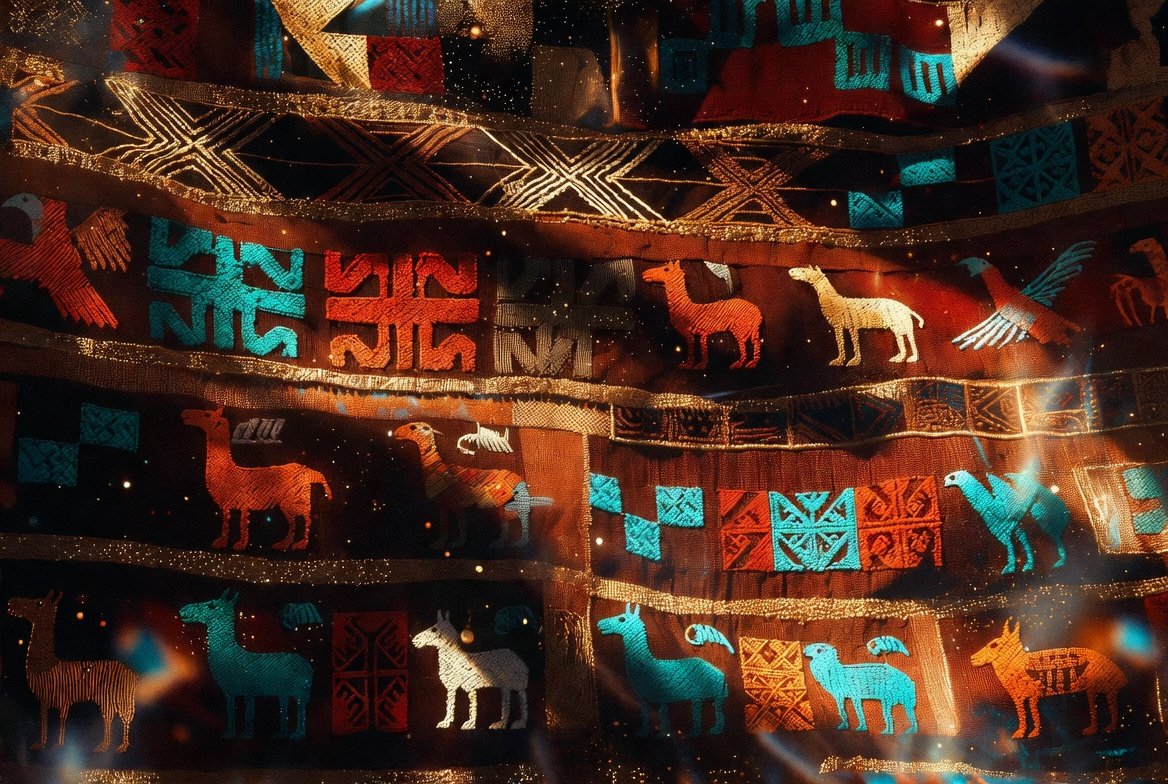
Search for uncuymaza and you will encounter an unusually diverse set of explanations. Some sources describe it as an ancient Andean textile tradition passed down through generations of indigenous weavers. Others present it as a modern digital identity concept born from internet culture. Still others describe it as a philosophical mindset rooted in balance and harmony. A small number of sources are honest enough to acknowledge that uncuymaza has no fixed definition at all.
What Is Uncuymaza? The Honest Answer
Uncuymaza is not a word found in standard dictionaries of any language. It does not correspond to a specific established term in any recognised linguistic tradition. It is not, despite what numerous articles claim, an officially documented ancient Andean practice, a certified Japanese cultural concept, or an academic term with a defined scholarly history.



What uncuymaza appears to be, based on the most credible analysis of its structure and the contexts in which it has been used, is a keyword that either emerged from the AI-generated content space or was coined specifically to occupy a low-competition search niche. The word has a sound and structure that evokes indigenous South American languages, particularly Quechua, the most widely spoken indigenous language of the Andes. This phonetic similarity is likely deliberate in its branding effect, as it lends the term an aura of cultural depth and tradition that attracts a particular type of reader.
This honest starting point matters because without it, everything else about uncuymaza, including the genuine cultural traditions it has been associated with and the real concepts it has been used to gesture toward, cannot be assessed properly.
The Andean Cultural Association
A significant portion of content about uncuymaza describes it in connection with Andean indigenous culture, particularly the textile and spiritual traditions of Quechua-speaking communities in Peru and surrounding areas. These descriptions are worth engaging with carefully, because while uncuymaza itself may not be an established Andean term, the cultural traditions it is associated with are entirely real and deserve accurate representation.
Andean Textile Traditions
The Andes region has some of the richest and most sophisticated textile traditions in the world. Indigenous communities, including the descendants of Inca civilisation, have practised intricate weaving for thousands of years. Using backstrap looms, hand-spun alpaca and llama wool, and natural dyes derived from plants, minerals, and insects such as cochineal, Andean weavers produce textiles that encode cultural information, spiritual beliefs, and community identity within their geometric patterns.
The chakana or Andean cross, animal motifs representing llamas, condors, and serpents, and patterns linked to agricultural cycles and cosmological beliefs all appear in authentic Andean textiles. These are not decorative choices but forms of visual language that carry meaning across generations. The process of creating these textiles involves years of learning and represents a living cultural inheritance that indigenous communities continue to practice and protect.
When content about uncuymaza describes these textile traditions, it is describing something real and significant. The inaccuracy lies not in the cultural description but in the claim that uncuymaza is the specific name for this tradition. The actual terms used in Quechua and Spanish for these practices are different, and attributing them to a keyword of uncertain origin can contribute to the kind of cultural misappropriation that indigenous communities have legitimate reason to resist.
Reciprocity and Pachamama
Andean indigenous philosophy centres on several core concepts that are genuinely distinct and well-documented. Ayni, meaning reciprocity or mutual exchange, describes the fundamental principle that relationships between humans and between humans and the natural world should be balanced and mutually beneficial. Pachamama, the Quechua concept of Earth Mother, represents the animate, relational quality of the natural world in Andean cosmology. Sumak Kawsay, sometimes translated as living well or good living, is an Andean concept of collective wellbeing that has been integrated into the constitutional frameworks of Ecuador and Bolivia as a principle of governance.
These are documented, named, and respected concepts with specific cultural contexts. They are not uncuymaza. Articles that describe uncuymaza as embodying these principles are borrowing the cultural weight of established Andean philosophy for a term that is not part of that tradition.
The AI and Digital Content Origin Theory
One of the more credible explanations for uncuymaza’s origin is that it emerged from AI-generated text. Large language models trained on internet content occasionally produce words that have no prior existence as established terms but that have a phonetic or structural resemblance to real words. These outputs, when they appeared in AI-generated content published online, could have entered search indexes as apparent keywords and attracted curiosity from readers who encountered them.
This mechanism of keyword creation, in which a non-word acquires the appearance of a word simply through being indexed and searched, is a recognised phenomenon in the content marketing and SEO world. Once a term like uncuymaza acquires some search volume, it enters the attention of content creators who see an opportunity to rank for a low-competition keyword by producing explanatory articles. These articles, written without any genuine knowledge of what the term means or where it came from, generate more search interest, which produces more articles, creating a self-reinforcing cycle.
Why So Many Different Explanations Exist
The diversity of explanations for uncuymaza, ranging from ancient textile traditions to digital identity concepts to wellness philosophies, reflects the dynamics of the content ecosystem rather than genuine ambiguity about the word’s meaning. When a keyword has search volume but no dominant authoritative explanation, content creators are free to attribute almost any meaning they choose, as long as the resulting article satisfies the reader’s search intent well enough to rank.
The most effective strategy for creating content about an ambiguous keyword is to associate it with appealing concepts that the target audience already values. For readers interested in wellness and spirituality, uncuymaza becomes an ancient healing practice. For readers interested in digital culture and identity, it becomes an emerging concept about self-expression online. For readers interested in indigenous cultures and sustainability, it becomes a framework for ecological thinking.
None of these framings requires the author to have any knowledge of what uncuymaza actually is, because the word itself has no verifiable content to contradict. The content fills the vacuum left by the keyword’s undefined status.
What Uncuymaza Is Genuinely Associated With
Setting aside the invented or speculative definitions, what genuine associations does uncuymaza have in the content that has been produced about it?
The strongest and most consistent association is with Andean indigenous culture, particularly with the Quechua-speaking communities of Peru, Bolivia, and surrounding areas. Whether or not uncuymaza is an actual Quechua word, the cultural practices, worldview, and artistic traditions it has been linked to are real and significant. Readers who encounter uncuymaza content and find themselves interested in Andean textile traditions, ayni as a social philosophy, or indigenous environmental ethics are being pointed toward genuinely rich areas of cultural knowledge, even if the specific keyword that directed them there is of uncertain provenance.
A secondary association is with creativity, design, and the blending of ancestral influences with contemporary practice. This is a legitimate area of discourse in contemporary art, fashion, and sustainability, where questions about cultural exchange, ethical sourcing, and the preservation of traditional craftsmanship are genuinely important.
How to Approach Genuine Andean Culture
If encounters with uncuymaza content have sparked an interest in Andean indigenous culture, here are more reliable starting points than searching for uncuymaza-specific resources.
- Quechua language and literature: Quechua is a family of languages spoken by approximately 8 to 10 million people across Peru, Bolivia, Ecuador, and other Andean countries. Learning about Quechua linguistics provides direct access to the cultural concepts embedded in the language without relying on keyword-driven content.
- Andean textile organisations: Organisations such as the Center for Traditional Textiles of Cusco in Peru document and support authentic weaving communities, providing reliable information about real textile traditions and their cultural significance.
- Academic research on Andean cosmology: Anthropologists and archaeologists have produced substantial research on Incan and pre-Incan civilisation, Andean cosmology, and the cultural significance of textiles and ritual practices in the region.
- Fair trade Andean products: Purchasing textiles and crafts through fair trade channels that verify indigenous artisan involvement supports the actual communities whose traditions have been superficially invoked by uncuymaza content.
The Broader Pattern This Represents
Uncuymaza is part of a broader pattern in which low-competition keywords, often created artificially or emerging accidentally from AI systems, generate content ecosystems that have little relationship to reality. This pattern is accelerating as content production tools become more accessible and as the incentive to rank for niche keywords drives publication of articles that prioritise keyword optimisation over genuine information.
The consequence for readers is a search landscape in which genuinely unfamiliar terms, particularly those with non-European linguistic sounds, attract articles that invent or inflate their significance. Indigenous cultures are particularly vulnerable to this dynamic because their actual traditions and languages are unfamiliar to many Western internet users, making fabricated descriptions harder to identify and correct.
Frequently Asked Questions About Uncuymaza
Is uncuymaza a real word?
Uncuymaza does not appear in any standard dictionary or linguistic reference for any established language. It may be an AI-generated term, a coined keyword, or possibly a phonetically adapted form of a word from an Andean language, though none of these origins have been definitively established.
Is uncuymaza an ancient Andean practice?
No verifiable evidence supports this claim. While many articles describe uncuymaza as an ancient Andean textile tradition or spiritual practice, these descriptions appear to be invented by content creators rather than documented in any anthropological or cultural record.
Is uncuymaza related to Quechua culture?
The word has a phonetic structure similar to Quechua vocabulary, which is one reason it has been associated with Andean indigenous culture. However, uncuymaza does not appear to be an established Quechua term, and its connection to genuine Quechua traditions is through thematic association rather than direct linguistic relationship.
Why do so many articles describe uncuymaza differently?
Because the word has search volume but no authoritative established meaning, content creators have been free to attribute whatever meanings serve their audience and ranking goals. The diversity of explanations reflects the dynamics of the content ecosystem rather than genuine cultural complexity.
What should I read if I am genuinely interested in Andean culture?
Academic anthropology of the Andean region, resources from the Center for Traditional Textiles of Cusco, scholarly work on Quechua language and literature, and direct engagement with fair trade organisations supporting Andean artisan communities will provide far more accurate and respectful information than keyword-driven content about uncuymaza.